Sara Carvalho Madrigal
- Project name: Securing the future of the endangered and endemic Mararay Palm in Antioquia’s last free-flowing river
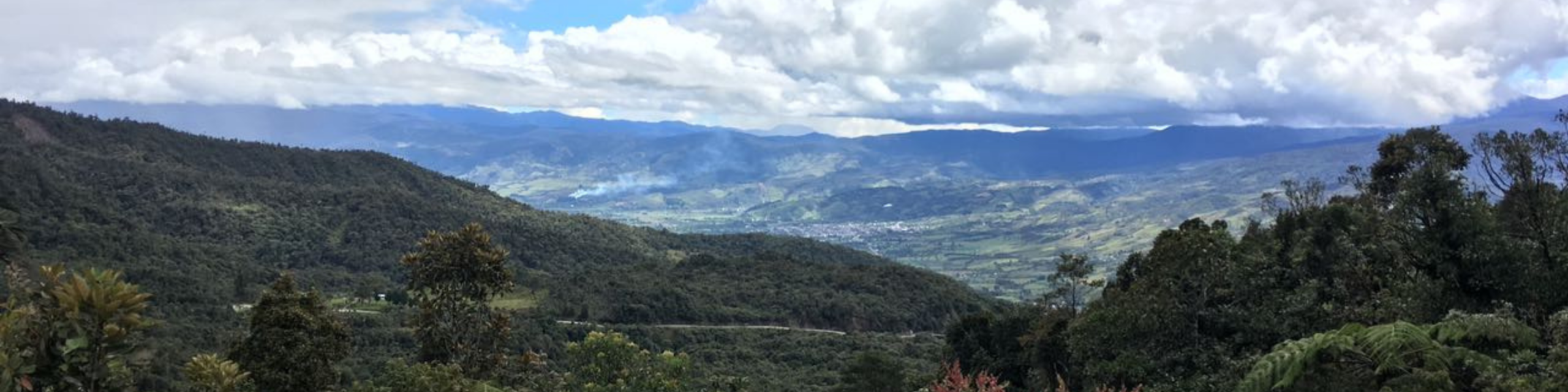
- Project site: Samaná Norte River Canyon, San Carlos and San Luis, Antioquia, Colombia
- EDGE species: Mararay Palm (Aiphanes argos)
- Active: 2026 - ongoing
Biography
Sara Carvalho Madrigal is a Colombian biologist working across plant conservation, evolutionary biology and science communication. She holds a BSc in Biology and an MSc in Biological Sciences from Universidad CES. Her research on Neotropical palms has combined fieldwork, molecular analyses, population genetics and visits to Arizona State University, contributing to studies of Andean plant diversification and wax-palm populations.
Sara also created and presented CES Verde, an award-winning university radio programme on biodiversity. Motivated by the importance of Colombia’s palms and the limited conservation attention they receive, she now aims to lead applied work that integrates monitoring, threat assessment, ex situ safeguarding, community participation and clear communication.
EDGE Project
The Critically Endangered Mararay Palm (Aiphanes argos) occupies a narrow strip along Antioquia’s Samaná Norte River. Adapted to rocky banks and powerful floods, it is one of the world’s few rheophytic palms. Land-use change, timber extraction and artisanal mining degrade its habitat, while the proposed Porvenir II dam could destroy most of its range through flooding and altered river flows.
Sara will map populations, life stages, reproduction and threats, and model the dam’s potential impact to support evidence-based advocacy. Seeds from multiple mother palms will establish the first coordinated living collections at the Quindío Botanical Garden and the Montgomery Botanical Centre, safeguarding genetic diversity for future propagation.
Interviews, workshops and a school-based citizen-science programme will explore how local people value palms and the river. The project will also assess Samaná Norte’s potential as an Important Plant Area, creating a pathway towards longer-term habitat protection.
