About
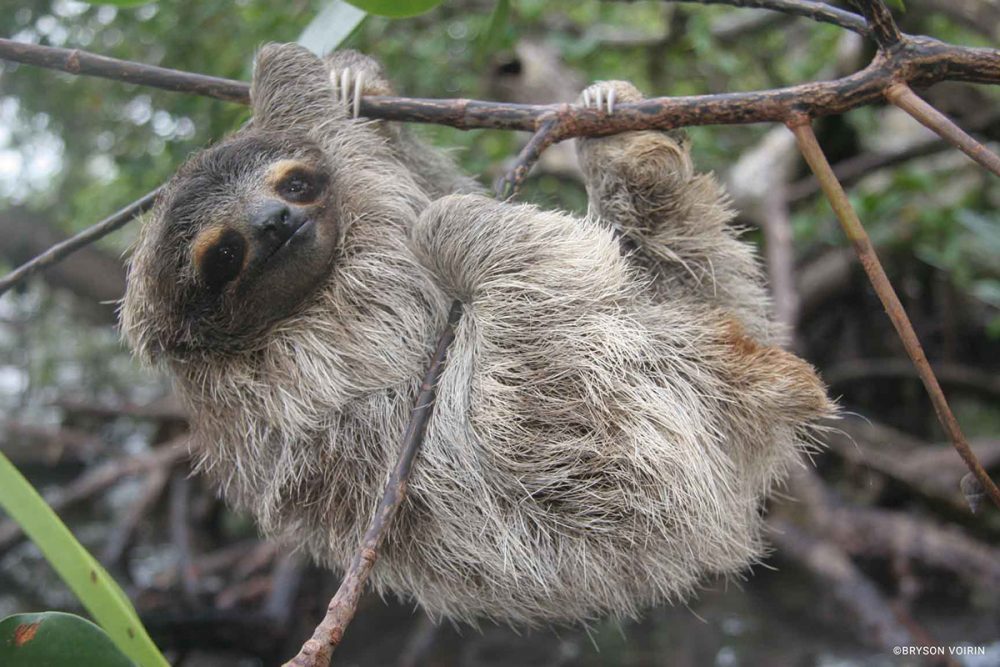
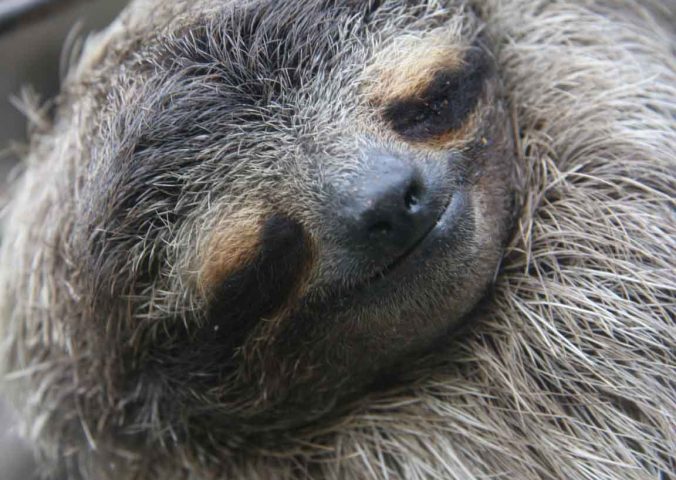
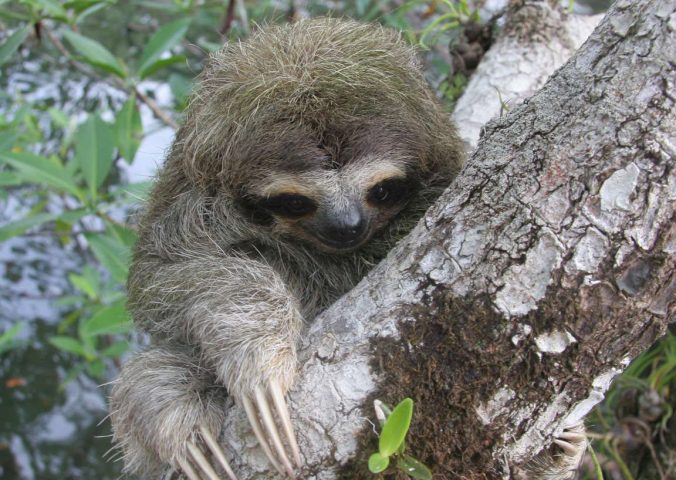
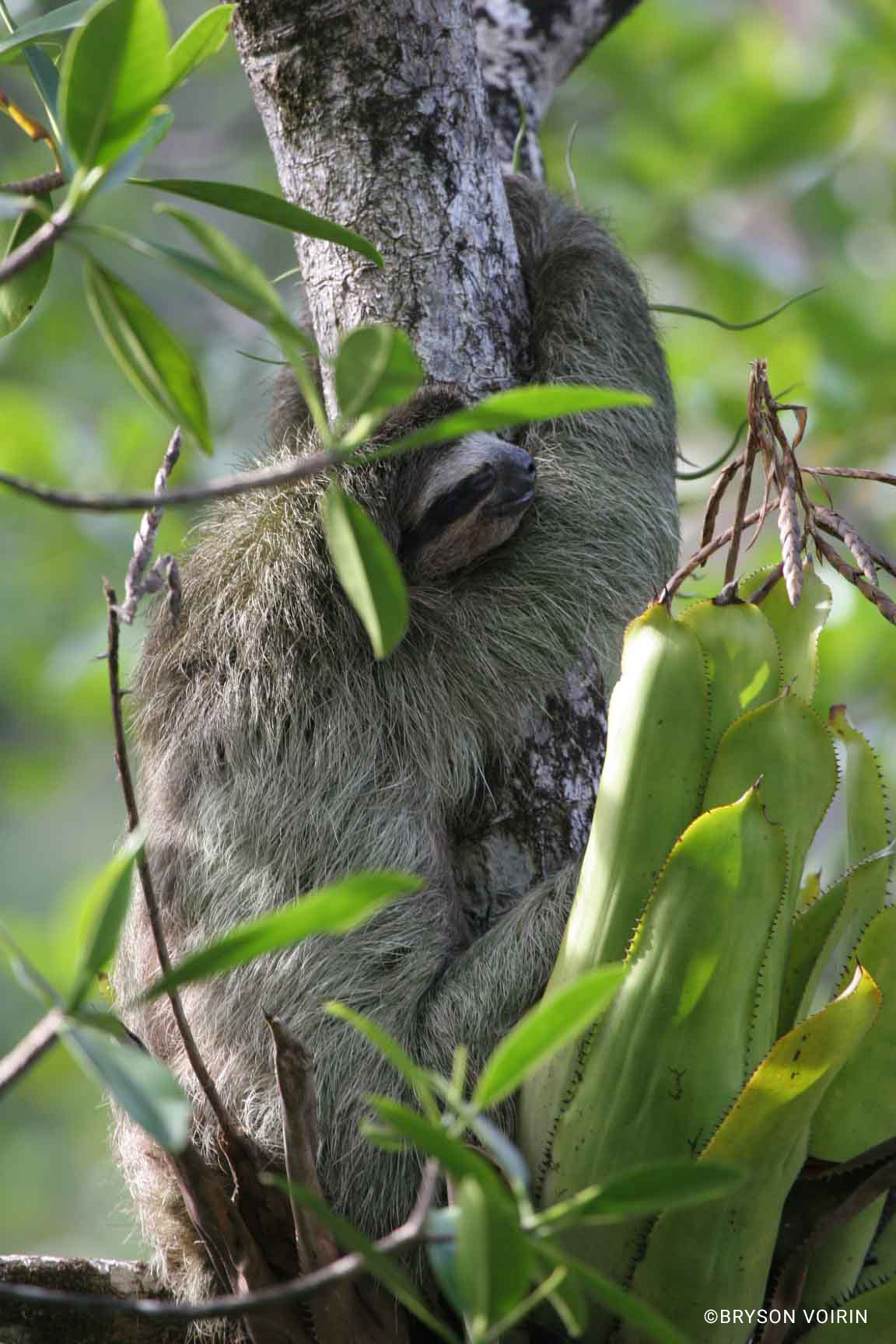
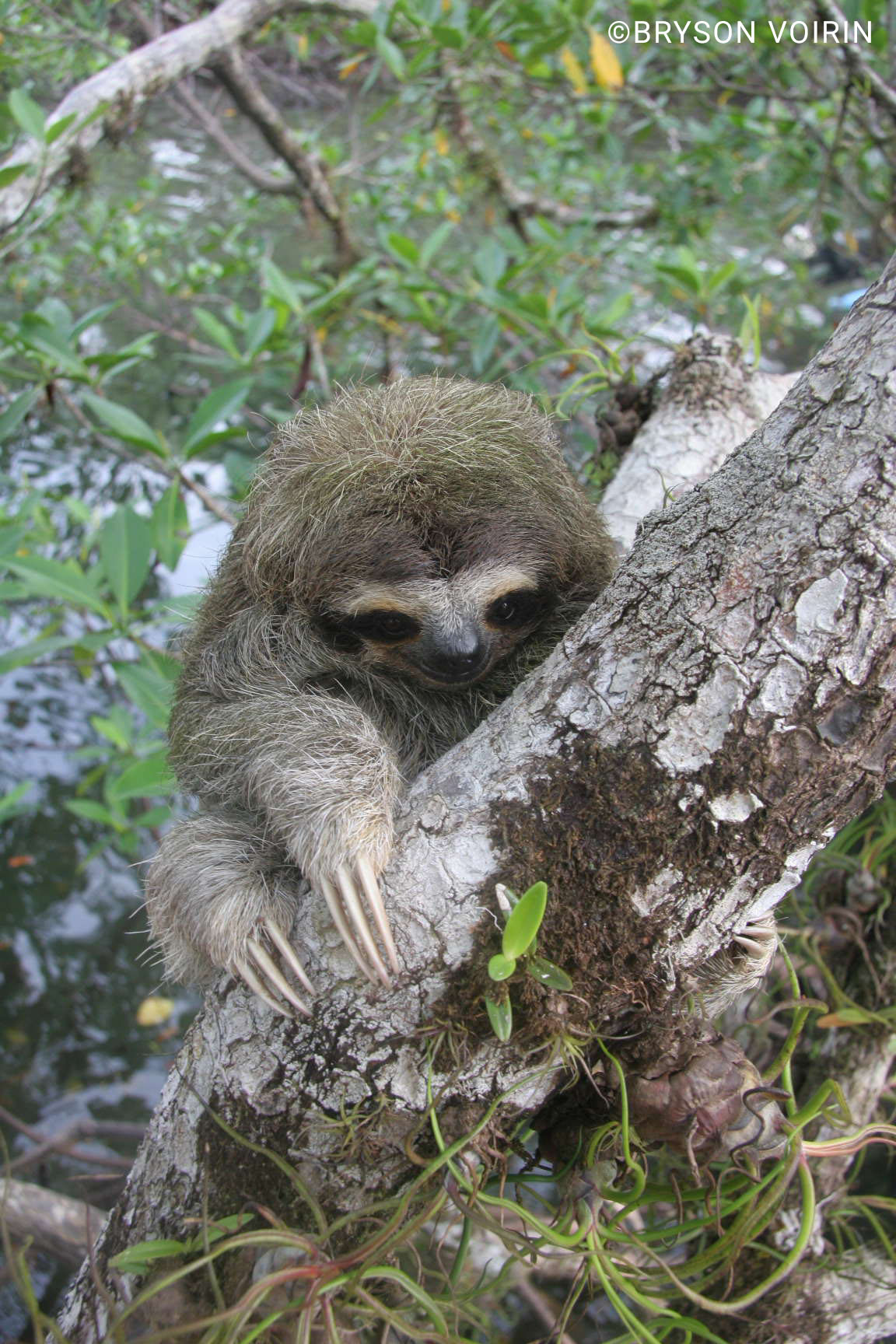
The pygmy three-toed sloth is the smallest of the three-toed sloths, and was only recognised as a distinct species in 2001.
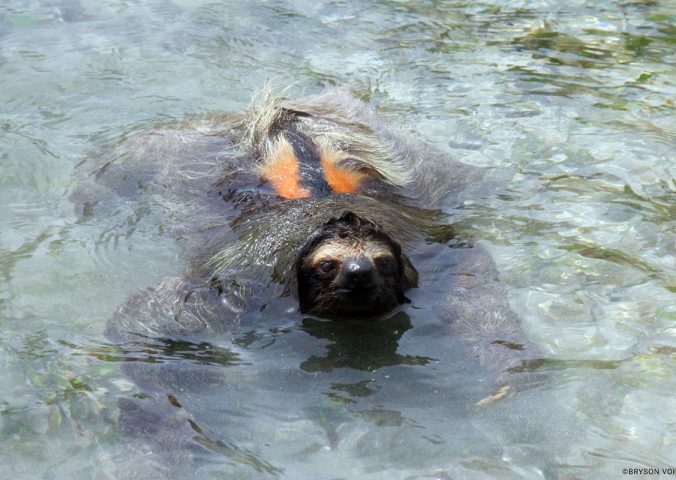
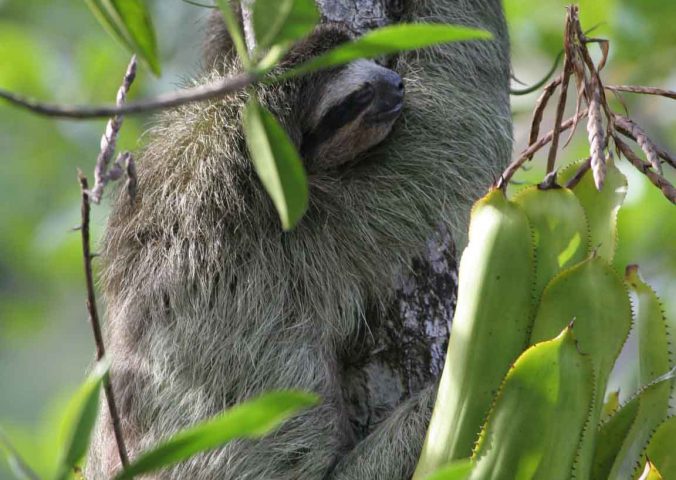
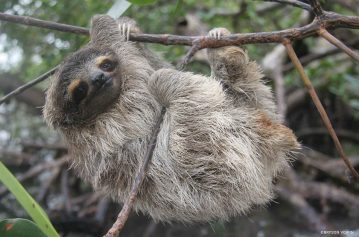
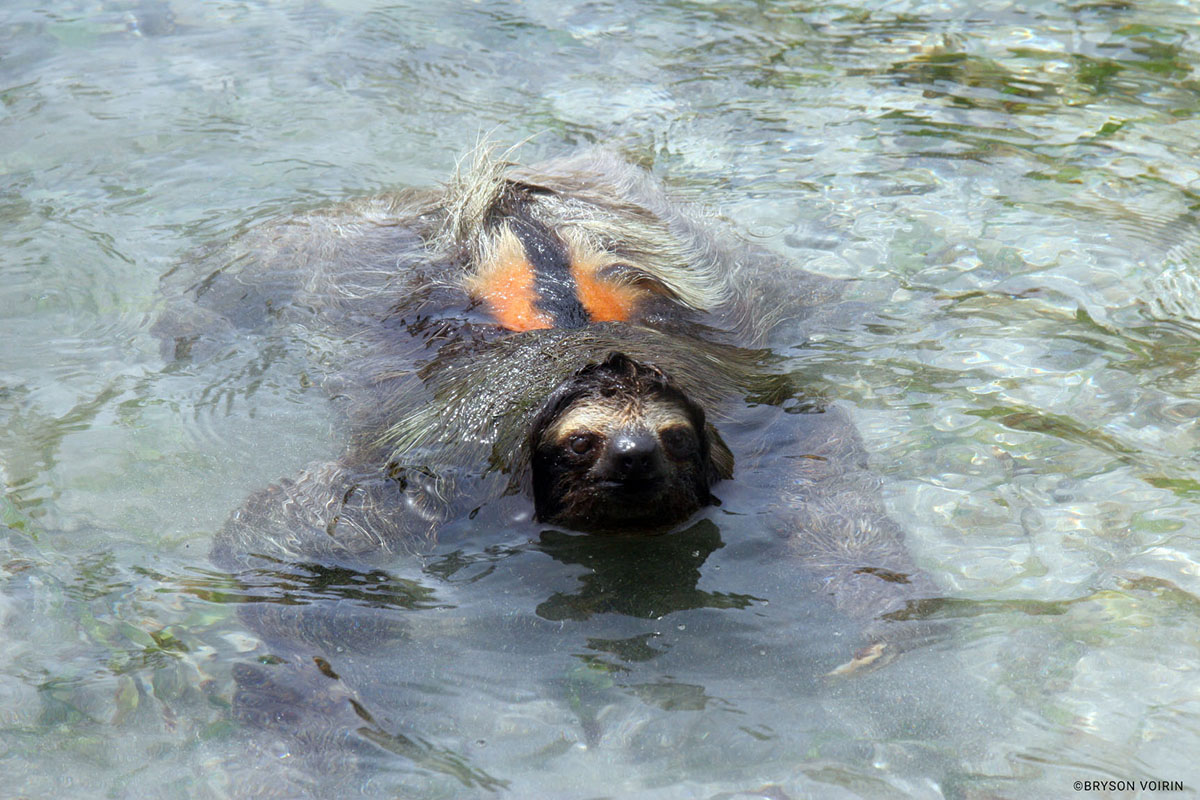
It can only be found on the Isla Escudo de Veraguas, which has been separate from mainland Panama for 9,000 years. Famous for its slow movements, the pygmy three-toed sloth is ideally suited to life in the mangroves and is surprisingly good at swimming. The major threat to the pygmy three-toed sloth is habitat destruction, which is reducing the size of its already small habitat. Through the phenomenon of island dwarfism, they have become the smallest member of its genus. The pygmy three-toed sloth is only one of four members in the three-toed sloth genus Bradypus. Sloths usually only descend to the ground when they need to urinate and defecate and can go for up to seven days without needing to defecate. Since their movements are so slow, the pygmy three-toed sloths main forms of defences are camouflage and stealth, whereby they avoid predation largely by avoiding detection. However, they often survive attacks due to their tough hides, strong grips and a remarkable healing ability. The green algae found in the fur of the pygmy three-toed sloth is a unique species of Trichophilus algae which is thought to be symbiotic, providing camouflage to the sloth at no detriment to the sloth’s health. Algae begin to grow on the pygmy three-toed sloth during childhood and are probably transferred from mother to child.
- Order: Pilosa
- Family: Bradypodidae
- Population: <100
- Trend: decreasing
- Size: 48.85-53.0cm
- Weight: 2.5-3.5kg
EDGE Score
Distribution
They are endemic, and known only from the small island Isla Escudo de Veraguas which lies about 17km from mainland Panama.
Habitat and Ecology
It is thought that the pygmy three-toed sloth primarily feeds on the leaves of the red mangrove trees in which it lives. These mangroves are thought to cover an area of just 1.3-1.5km² on the island. Adults only come together to mate, finding each other using loud calls. Although the gestation period for the pygmy three-toed sloth is unknown, other species of three-toed sloth are pregnant for between 4 and seven months before giving birth. The mother bears one infant at a time, and will care for it between six months or a year during which time she will carry the young sloth with her everywhere she goes.