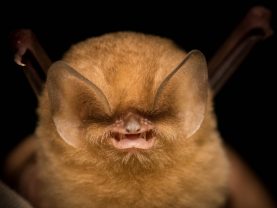
TOP Mammals
Chinese pangolin
Manis pentadactyla
Pangolins are the most trafficked mammals in the world, and the Chinese pangolin may be the most endangered of them all.
Conservation Attention
Low
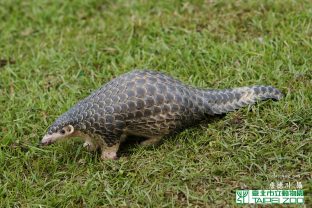
Sunda pangolin
Manis javanica
Pangolins are the world’s most trafficked mammal.
Conservation Attention
Medium
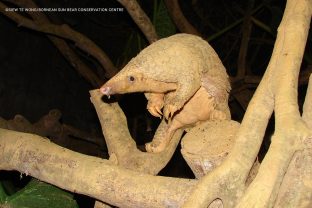
Black Rhinoceros
Diceros bicornis
The black rhinoceros has four subspecies, one of which was declared extinct in 2011, with two others critically endangered.
Conservation Attention
Good
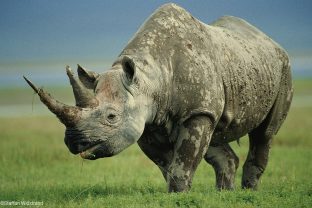
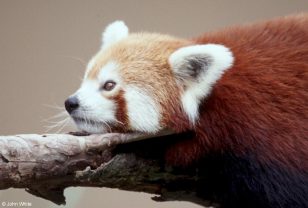
Red panda
Ailurus fulgens
The scientific name of this rare and beautiful species literally means ‘fire-coloured cat’.
Conservation Attention
Good
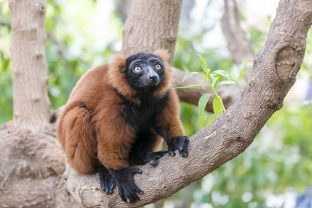
Red ruffed lemur
Varecia rubra
The red ruffed lemur is one of the largest species of lemur.
Conservation Attention
Good
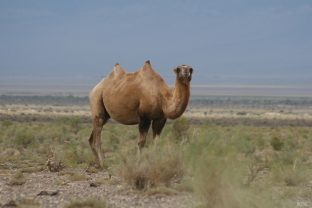
Wild Camel
Camelus ferus
The Wild Camel, known locally as Khavtgai, can withstand drought, food shortages, and even radiation from nuclear weapons testing.
Conservation Attention
Low
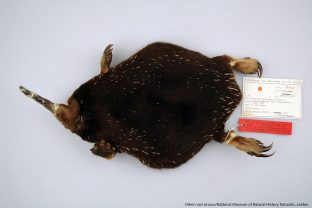
Attenborough’s long-beaked echidna
Zaglossus attenboroughi
Attenborough’s long-beaked echidna, also known as Sir David’s Long-beaked Echidna, is the smallest and probably most threatened of the three long-beaked echidna species. Echidnas and platypus are the only mammals to lay eggs.
Conservation Attention
Very Low
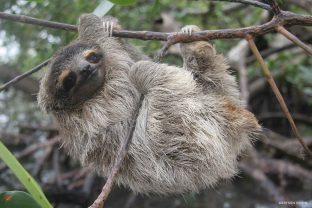
Pygmy Three-toed Sloth
Bradypus pygmaeus
The pygmy three-toed sloth is the smallest of the three-toed sloths, and was only recognised as a distinct species in 2001.
Conservation Attention
Low
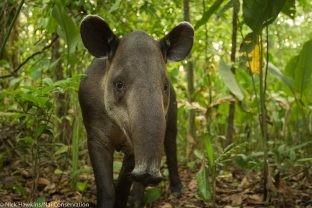
Baird’s Tapir
Tapirus bairdii
Baird’s tapir is the largest indigenous mammal in Central America. Tapirs are a ‘primitive’ group that resemble the ancestor of rhinos and horses, and have remained morphologically similar for the last 35 million years.
Conservation Attention
Medium
Sibree’s Dwarf Lemur
Cheirogaleus sibreei
Sibree’s dwarf lemur was believed extinct following the destruction of its first recorded forest habitat, though they were found in their high altitude habitat on Mount Maharira in Ranomafana National Park, Madagascar, as well as in Tsinjarivo, where it may be restricted by rivers.
Conservation Attention
Very Low
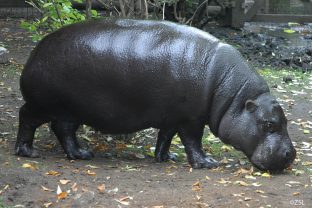
Pygmy Hippopotamus
Choeropsis liberiensis
The pygmy hippo is the smaller, reclusive and nocturnal cousin to the more widely known common hippo.
Conservation Attention
Medium
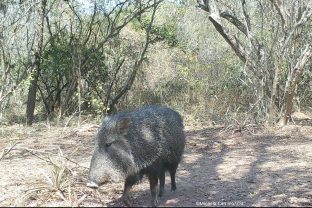
Chacoan Peccary
Catagonus wagneri
The Chacoan peccary is a pig-like mammal with a long, flexible snout and a coat of grey brown bristly fur, and is the largest of the three living species of peccary.
Conservation Attention
Low
Hirola
Beatragus hunteri
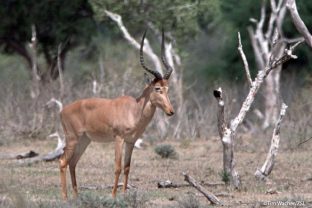
Perhaps the world’s rarest and most endangered antelope, the hirola is the sole survivor of a formerly diverse group, and is often referred to as a living fossil.
Conservation Attention
Low
Red Slender Loris
Loris tardigradus
The red slender loris has extremely thin arms and legs and is arboreal (tree dwelling).
Conservation Attention
Low
Northern Giant Mouse Lemur
Mirza zaza
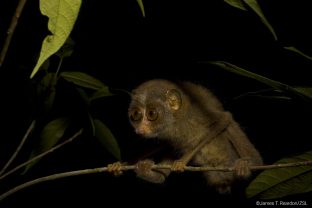
This unassuming nocturnal lemur has the largest testes to body ratio of all mammals.
Conservation Attention
Medium
Cuban Greater Funnel-eared Bat
Natalus primus
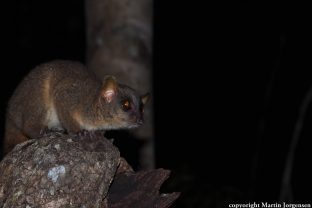
The Cuban greater funnel-eared bat is the largest Caribbean representative of a small, ancient family of cave-dwelling bats that evolved in the West Indies.
Conservation Attention
Very Low