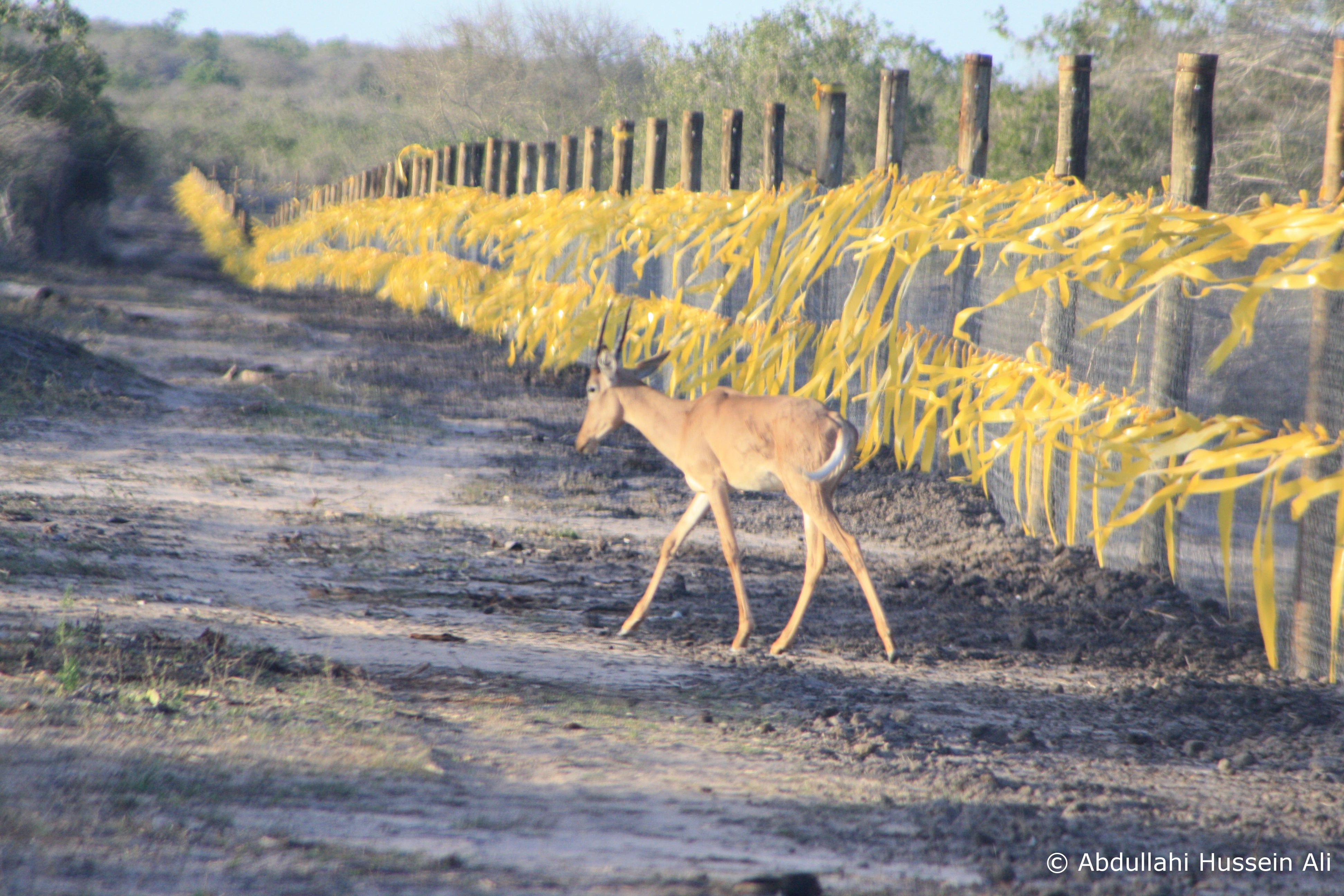
 It’s official! The first hirola sanctuary in the world is up and running in Ijara, marking a significant step towards the recovery of arguably the world’s most endangered antelope. The making of this sanctuary has taken nearly two years of planning involving the Kenya Wildlife Service (KWS), the Northern Rangelands Trust (NRT), the Hirola Management Committee (HMC), and local support from the surrounding communities of Hara, Kotile and Korisa villages in Ijara District.
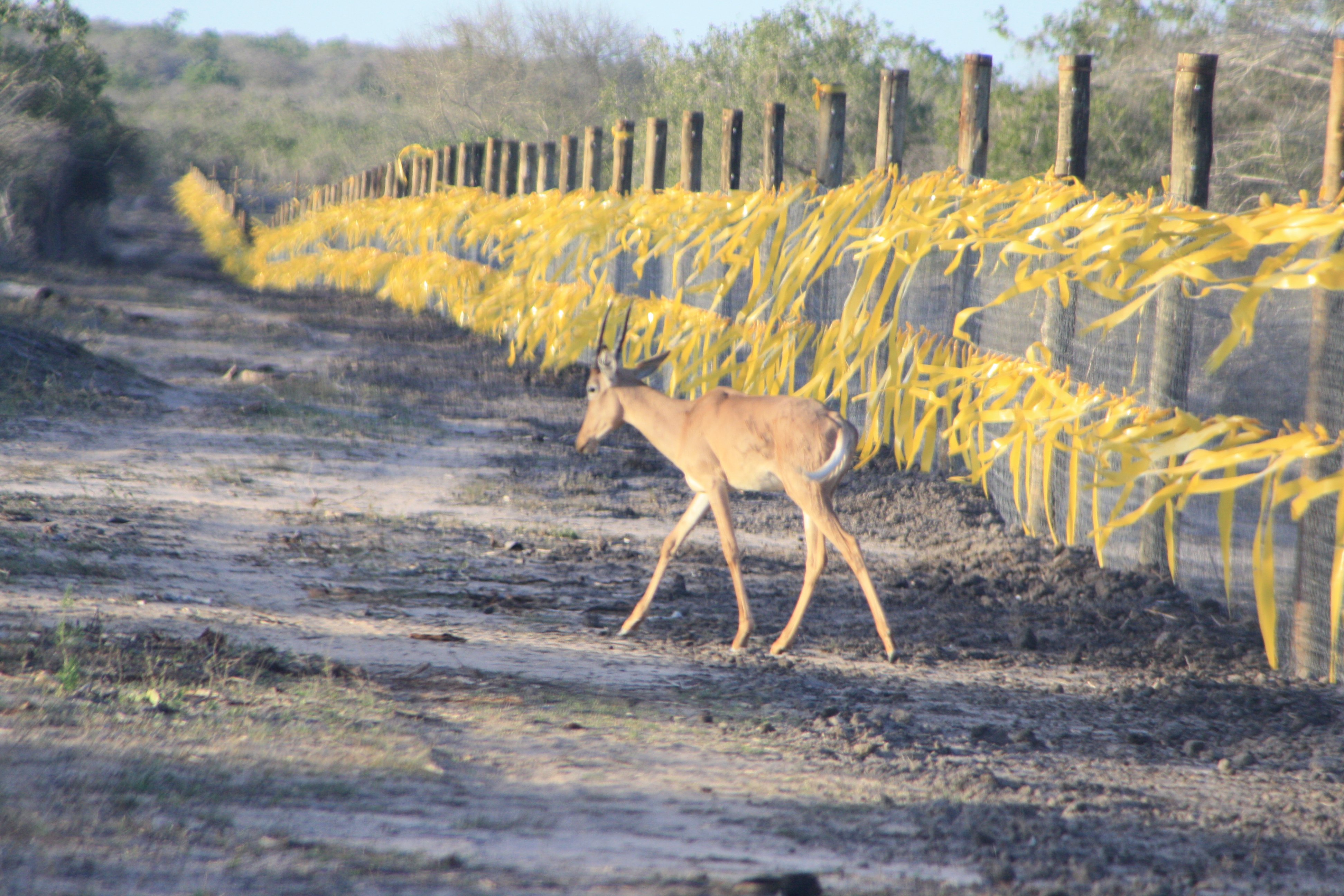
The capture period ran between the 7th and 12th August 2012 and during this period the capture team successfully caught 24 hirola: 17 adult females, 3 sub-adult females, 2 juvenile males, 1 juvenile female, and 1 adult male. Happily, there were no mortalities during the capture activities or at the holding pens. This is despite the high sensitivity of hirola to capture myopathy and stress and is a testament to the skill of those involved with the translocation.
 Individuals were capture using drive nets and animals were pushed into these nets using low flying helicopters. Once captured, the KWS vets quickly anesthetised the animals, immediately blindfolding and securing the horns with hose-pipe. The legs were then bound together using special belts and individuals were then transferred carefully into special capture bags to the chopper where they were flown into the sanctuary.
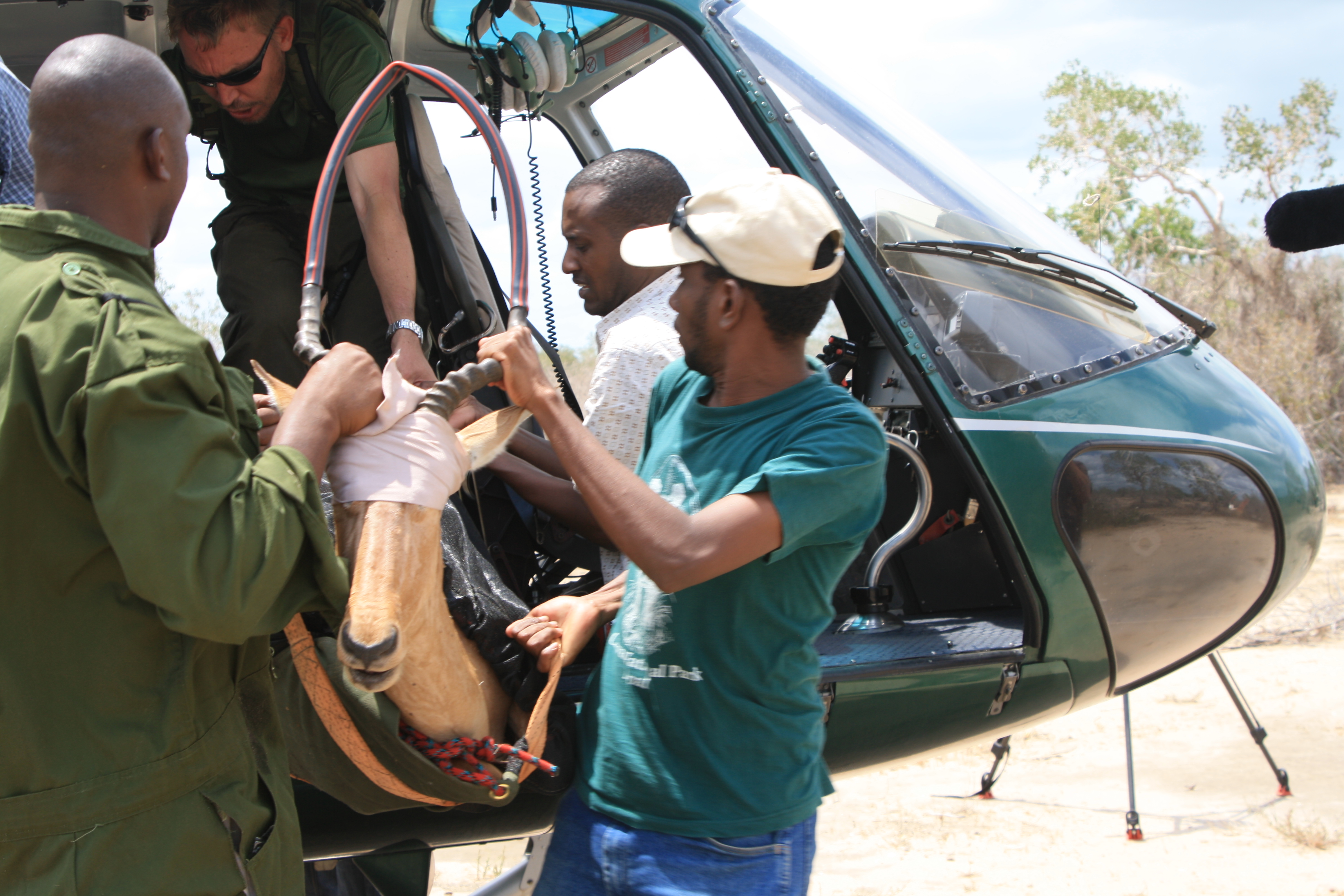
Upon arrival at the holding pens, another team carried the hirola from the helicopter to a landing area near the holding pens for processing. Here processing time was quick, the main tasks being the collection of blood and tissue samples, fixing ear tags and recording of biometric body measurements for each animal.
The animals were then moved into holding pens for up to 12 hours, until the effects of the tranquilizers had worn off, after which the curtains of the pens were pulled wide open and the animals were allowed to move out freely. During this time noise and other human activities were minimised to ensure the animals were not stressed further.
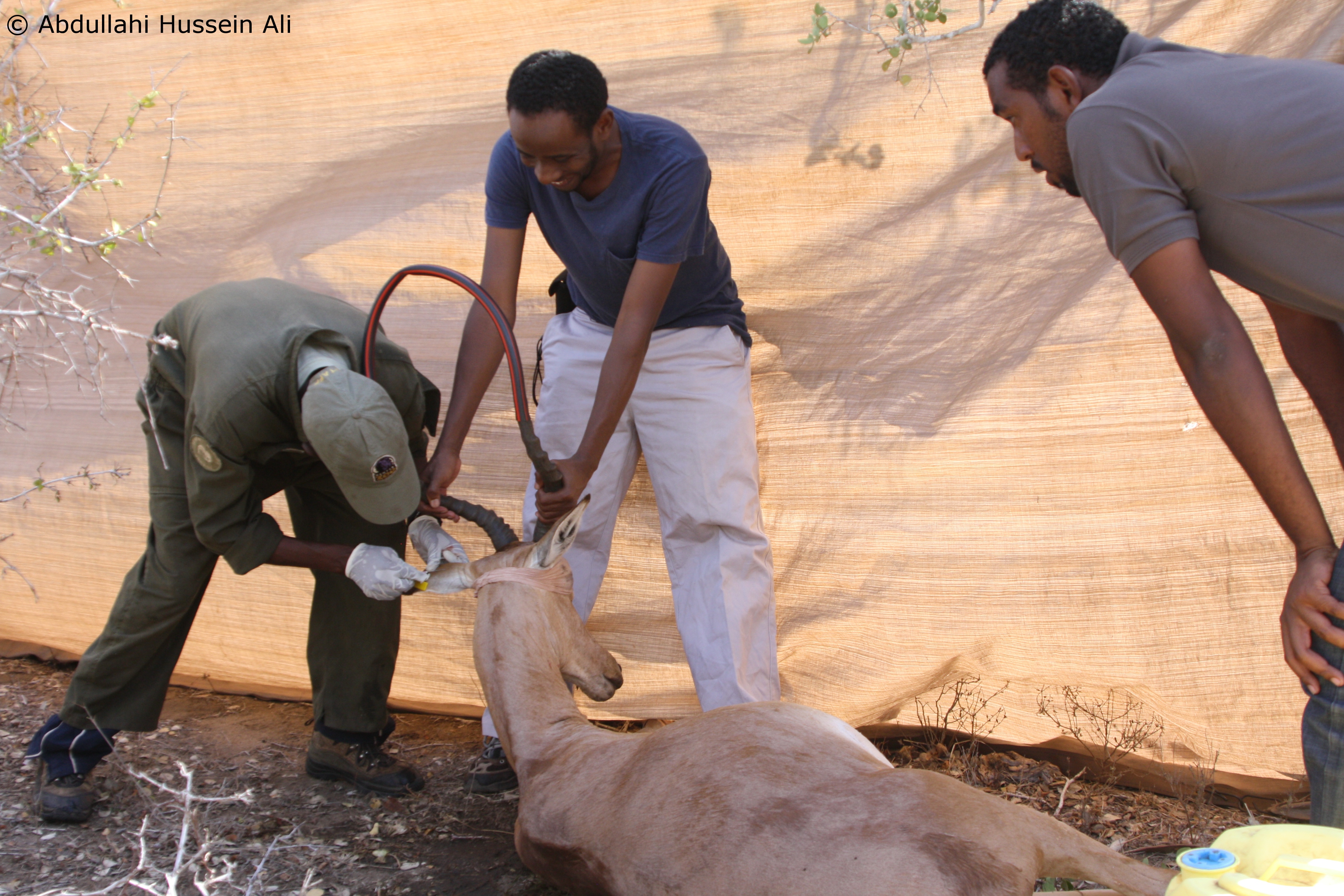 The sanctuary, with an estimated area of 2,740 ha, lies with the Ishaqbini Conservancy and now has 48 hirola within it, representing nearly 10% of the world population. Within the sanctuary area are also 30 giraffe; 20 zebra; 8 topi; 2 oryx; and an unknown number of lesser kudu, gerenuk and dik-diks (a close associate of the hirola).
In the coming years as part of my EDGE Fellowship, I will be monitoring the hirola within the sanctuary and the wider conservancy, in order to determine survivorship and recruitments of key life stages (i.e., calves, juveniles, or adults) to target in conservation efforts. You can read more about this work in my next blog…
To learn more about Ali’s EDGE Fellowship project on the hirola, please visit his community page.