In our first two blogs, we have celebrated ten amazing success stories from our EDGE Fellows and program and in this last instalment of our three-part series, we celebrate five more achievements.
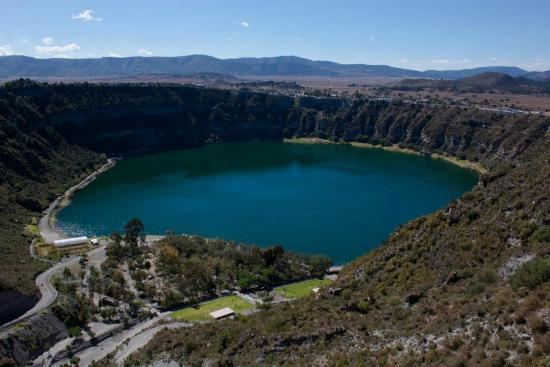

The Taylor’s salamander (Ambystoma taylori) is a micro-endemic species, found only in Laguna Alchichica in Puebla State, central Mexico. This species had received almost no attention and no conservation actions had been taken to protect the salamander until EDGE Fellow José Alfredo Hernández Díaz joined the EDGE program in 2015.
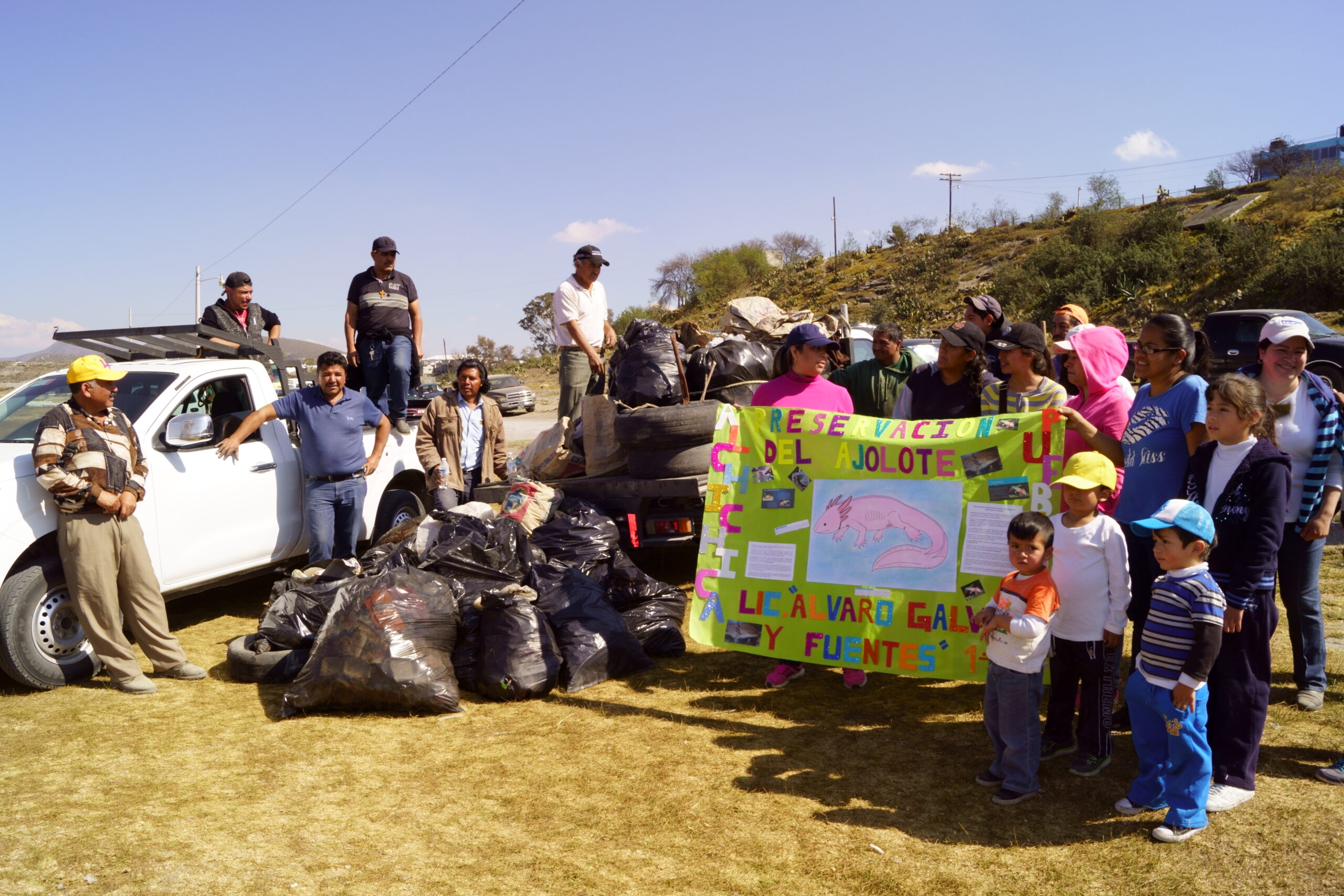
During his Fellowship, Alfredo and his team did amazing work with the community, local authorities and government. They performed a total of 750 outreach surveys directed at schoolchildren, teachers and the general public to educate them about the importance of the lake and its biodiversity. The community were supportive and willing to help, even participating in two clean up events that Alfredo organized, collecting about 200kg of rubbish in just one of the events!
Despite these efforts, Alfredo and his team were still concerned for the long-term survival of the Taylor’s salamander, so they began an ex-situ breeding programme. In 2019 they were able to successfully breed the Critically Endangered Taylor’s salamander in captivity, which had never been done before! From this they have been able to gain important data on the species’ biology and husbandry needs to pave the way for a future reintroduction if needed.
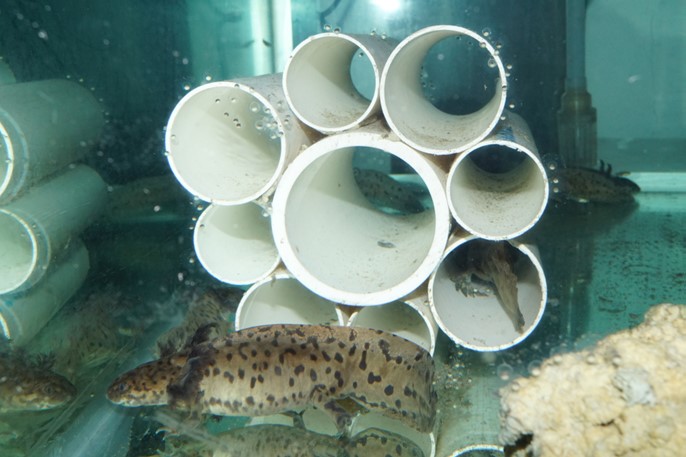
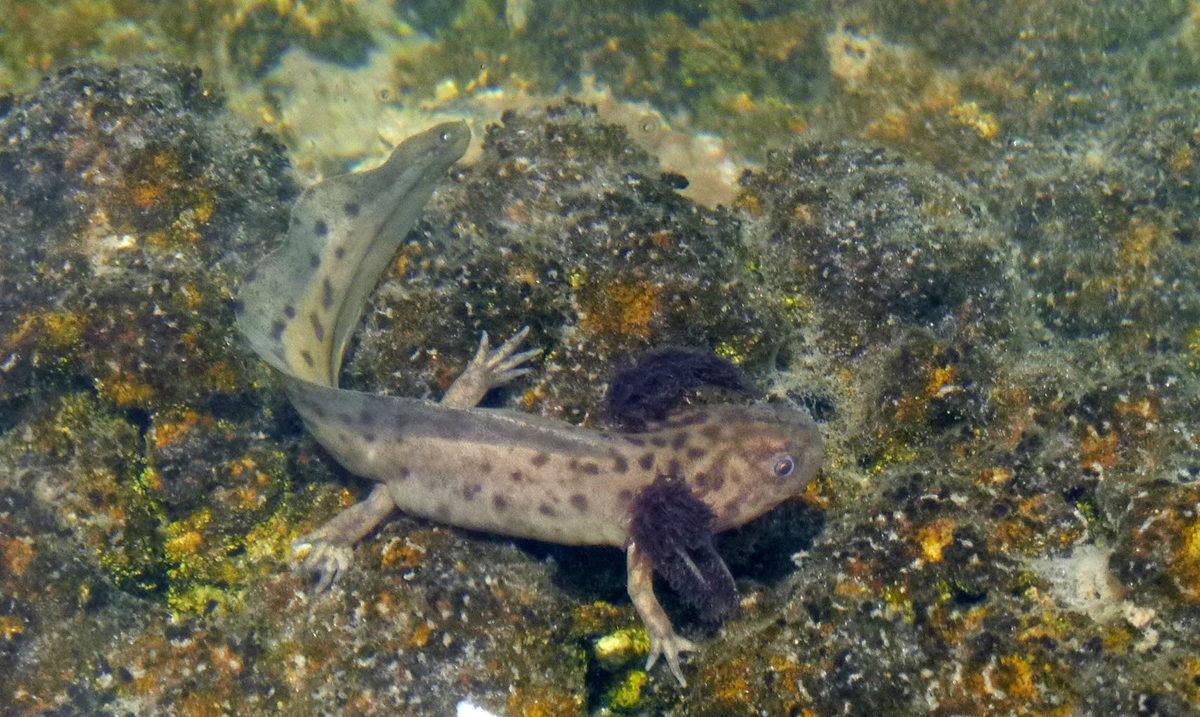
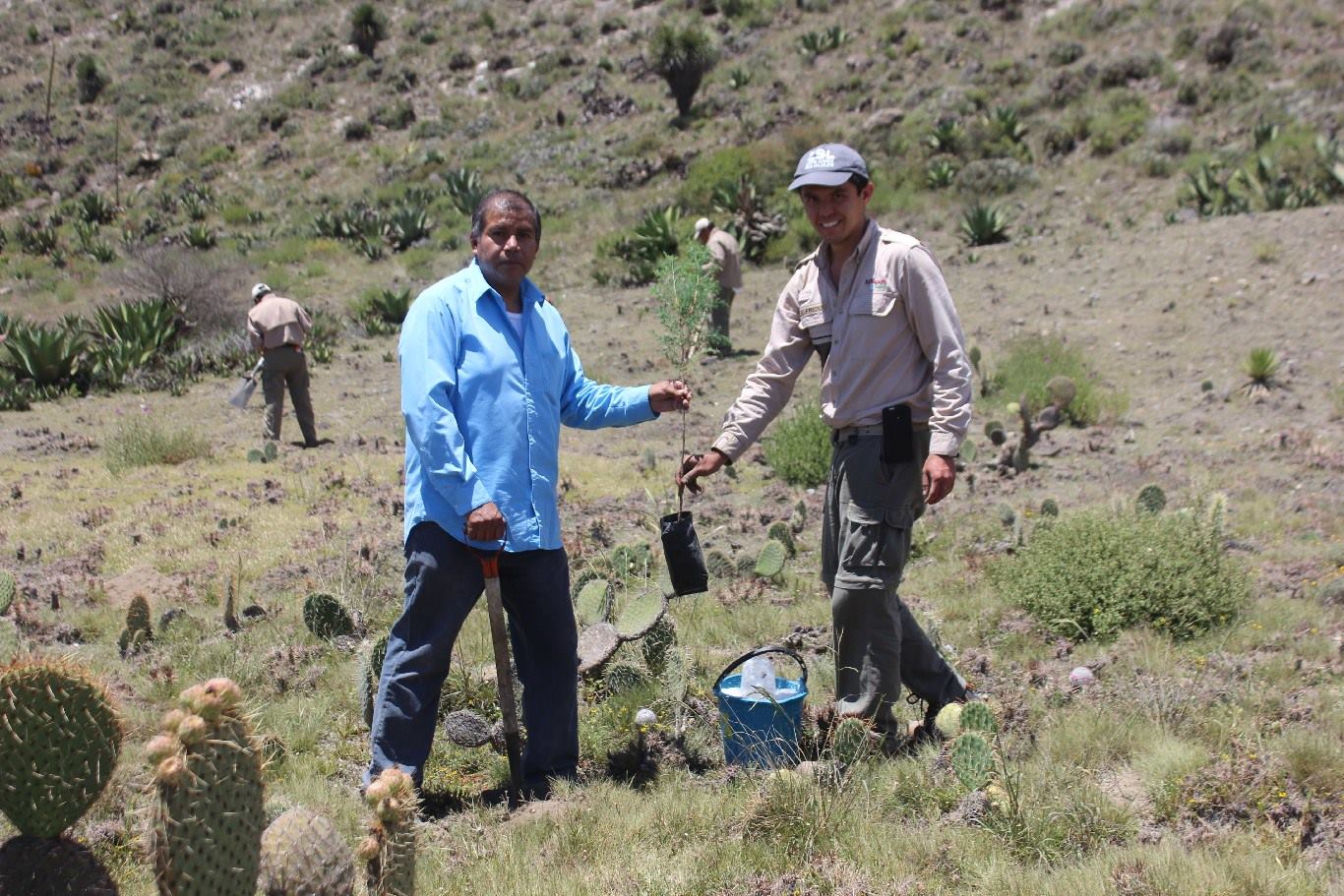
From the research the team did, they have developed the first ever conservation strategy to implement protective actions in the salamander’s habitat, and to create an insurance colony for the species. Alfredo also received the “For the Love of Mexico Award” from Volkswagen, which included funding to continue habitat protection work for the Taylor’s Salamander. With the funds, Alfredo created a protected area around the lake, reforestated part of the crater with 2,500 native trees, and further engaged of local people and visitors in actions to reduce pollution in the lake.
In 2020 Alain Rakotondrina joined the EDGE Fellowship focusing on the Tarzan chameleon (Calumma tarzan), which is endemic to a tiny area of eastern Madagascar called the Alaotra-Mangoro region.
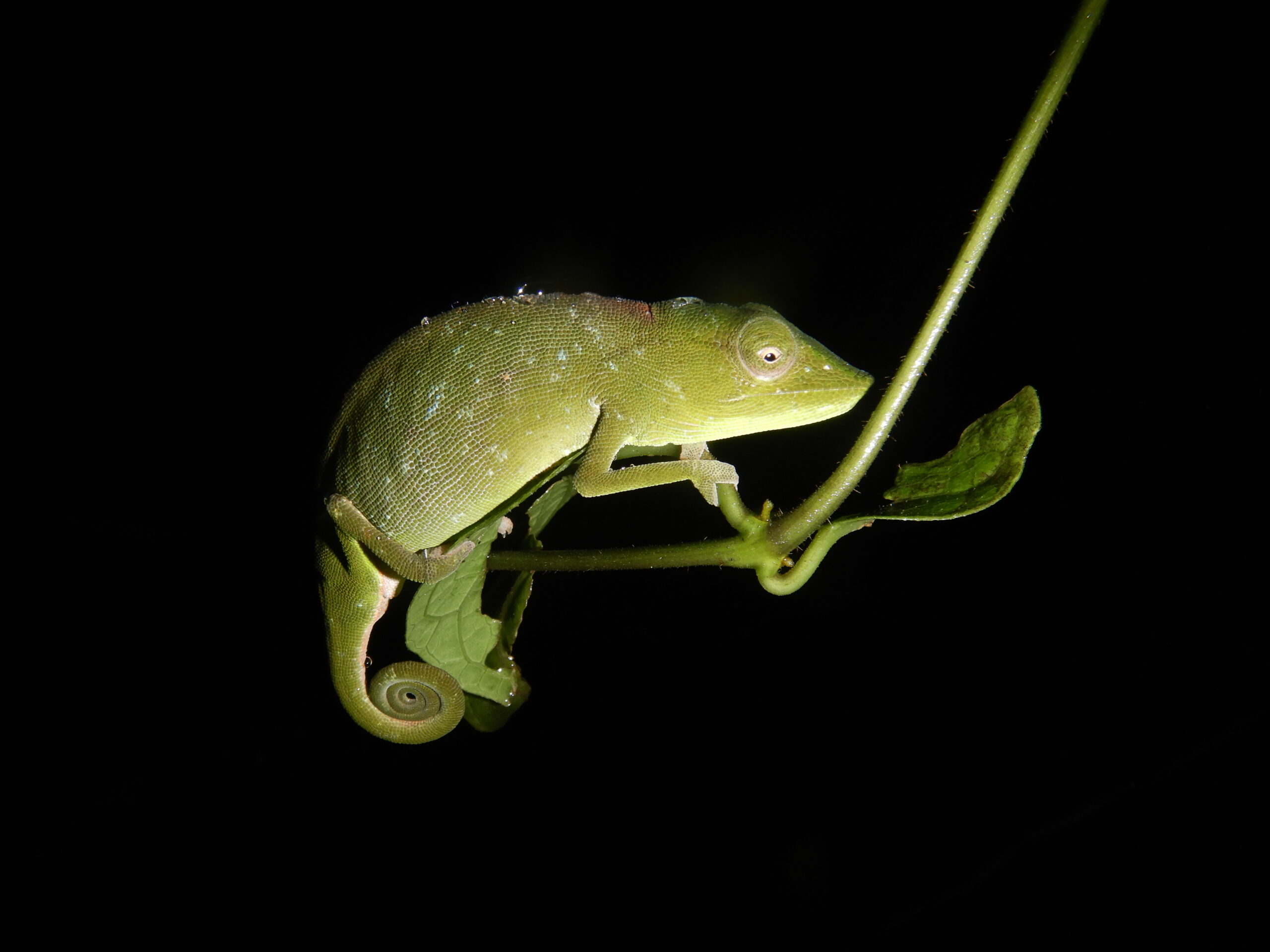
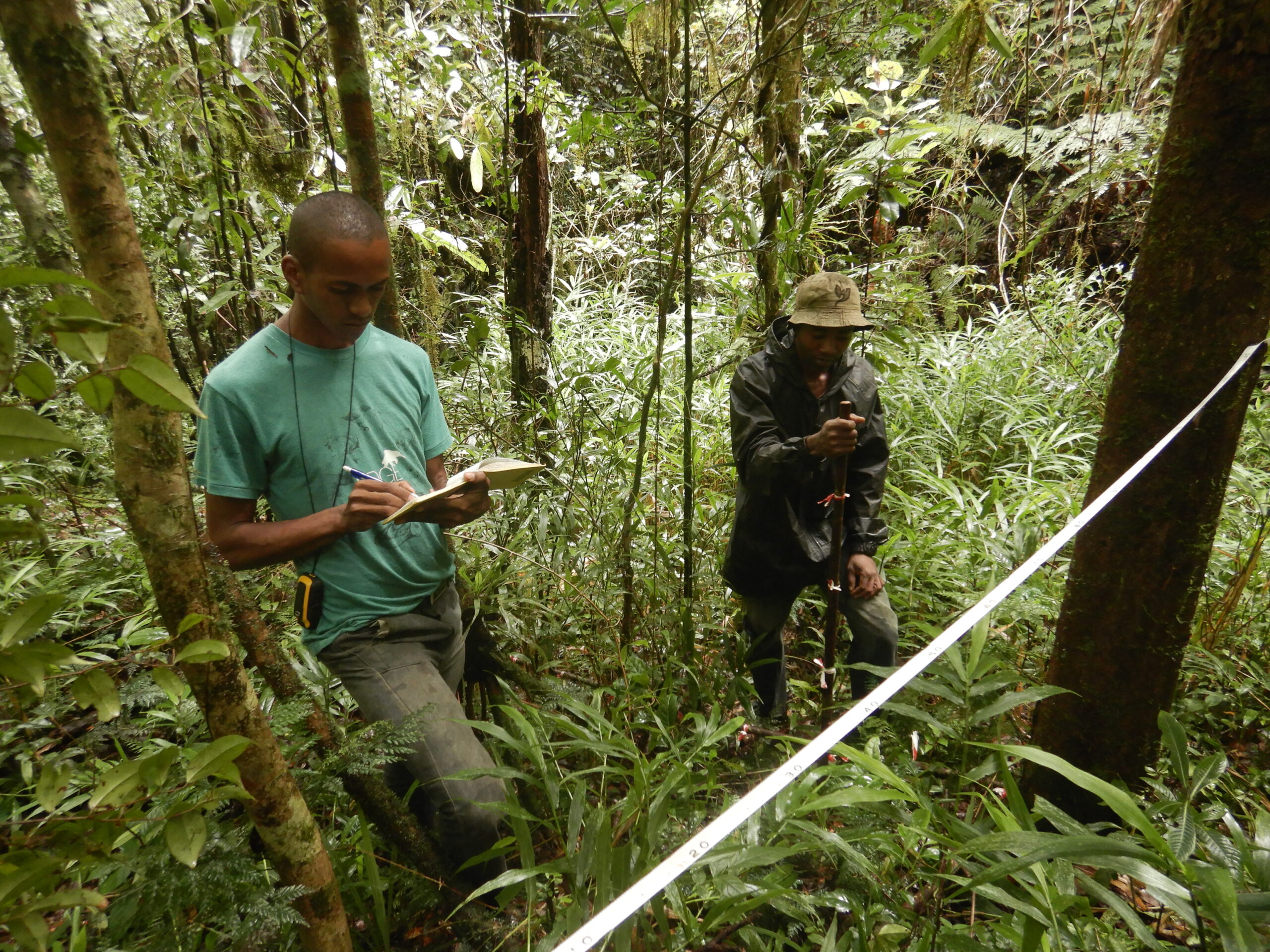 Alain and his team set out to use ecological knowledge along with targeted surveys to confirm the presence of the species, determine locations, population size and habitat preferences. They carried out field work in 23 forest fragments around seven rural communities in eastern Madagascar and the team far exceed their expectations, recording the Tarzan chameleon in 15 new forest locations! However, all new confirmed forest fragments were unprotected sites, with significant threats nearby such as slash-and-burn agriculture and logging.
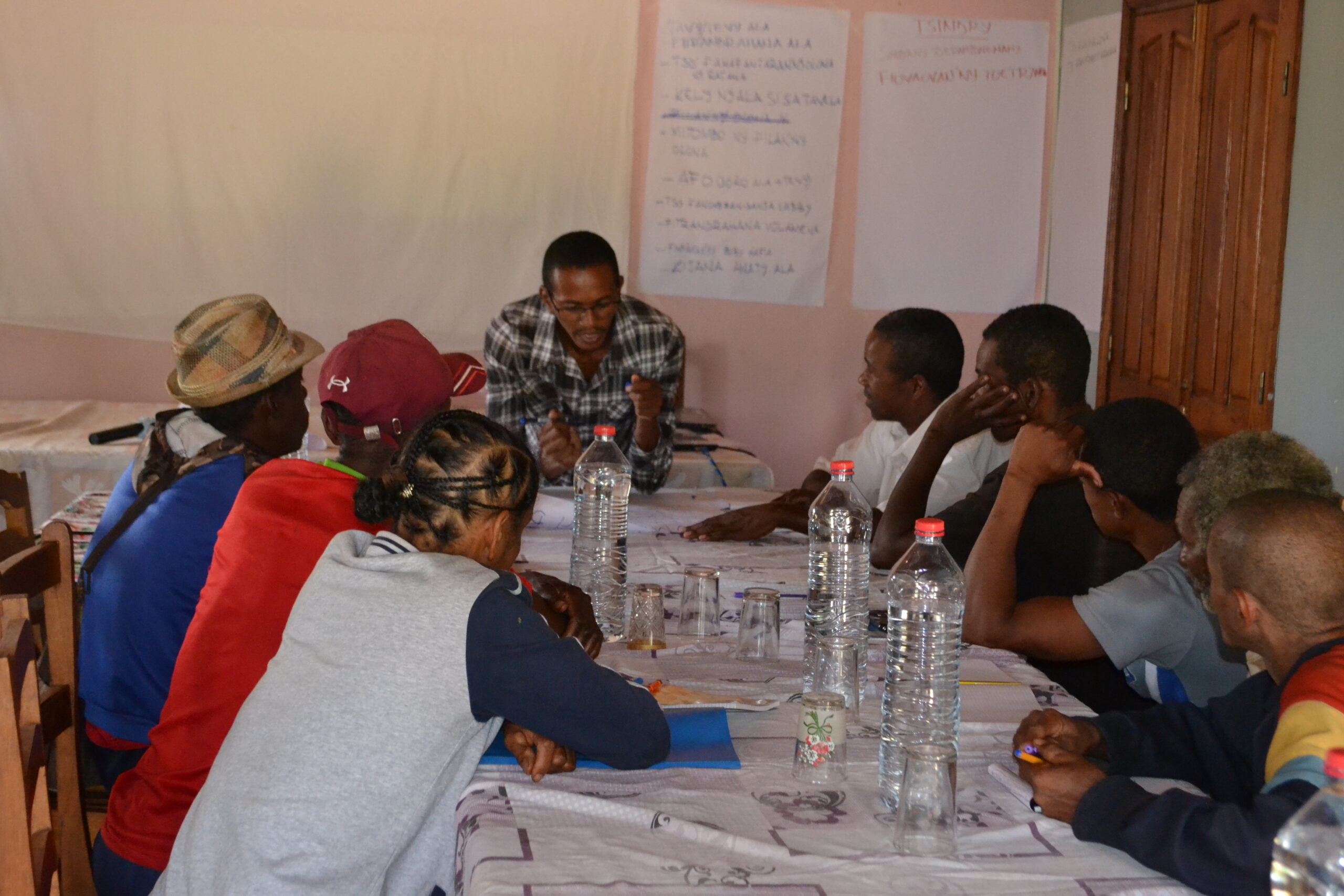
In response to these findings and the ongoing threats throughout the range, Alain and his team set up two workshops to develop a five-year comprehensive action plan for the Tarzan chameleon. The action plan incorporates data from 18-months of Alain’s EDGE fellowship fieldwork alongside research and opinions of regional experts and local stakeholders. The plan will guide conservation action to secure the future of this Critically Endangered species.
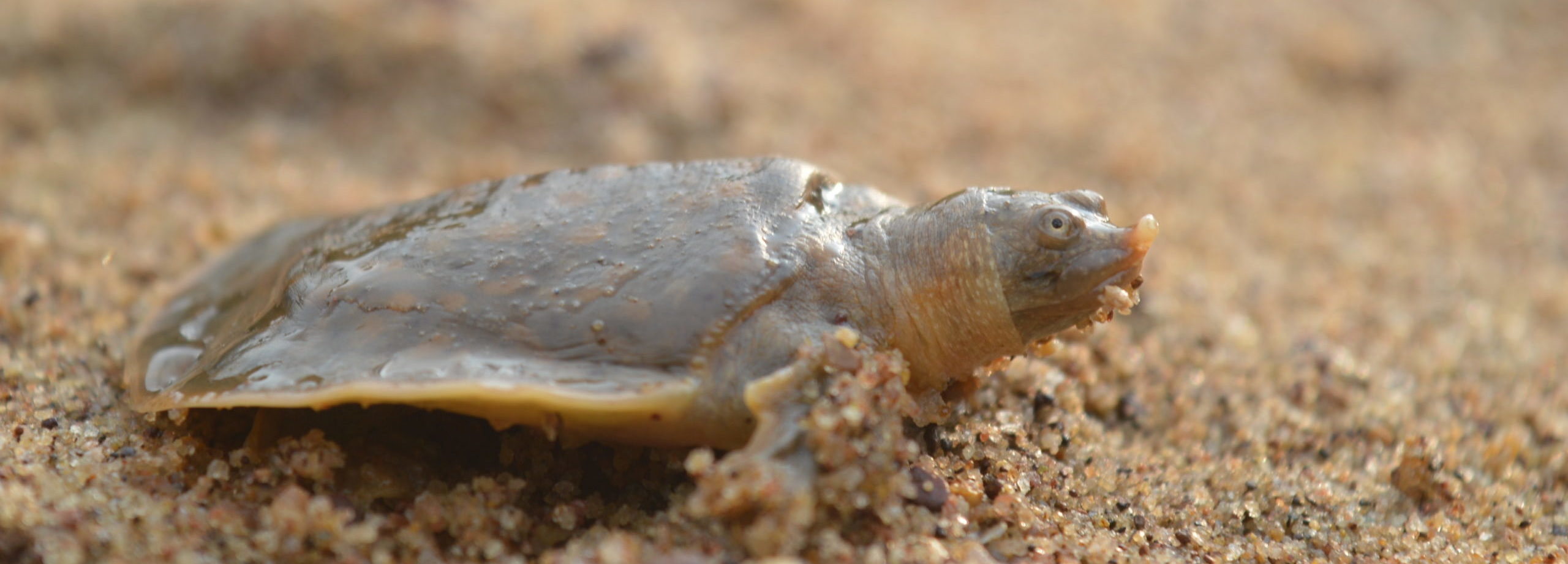
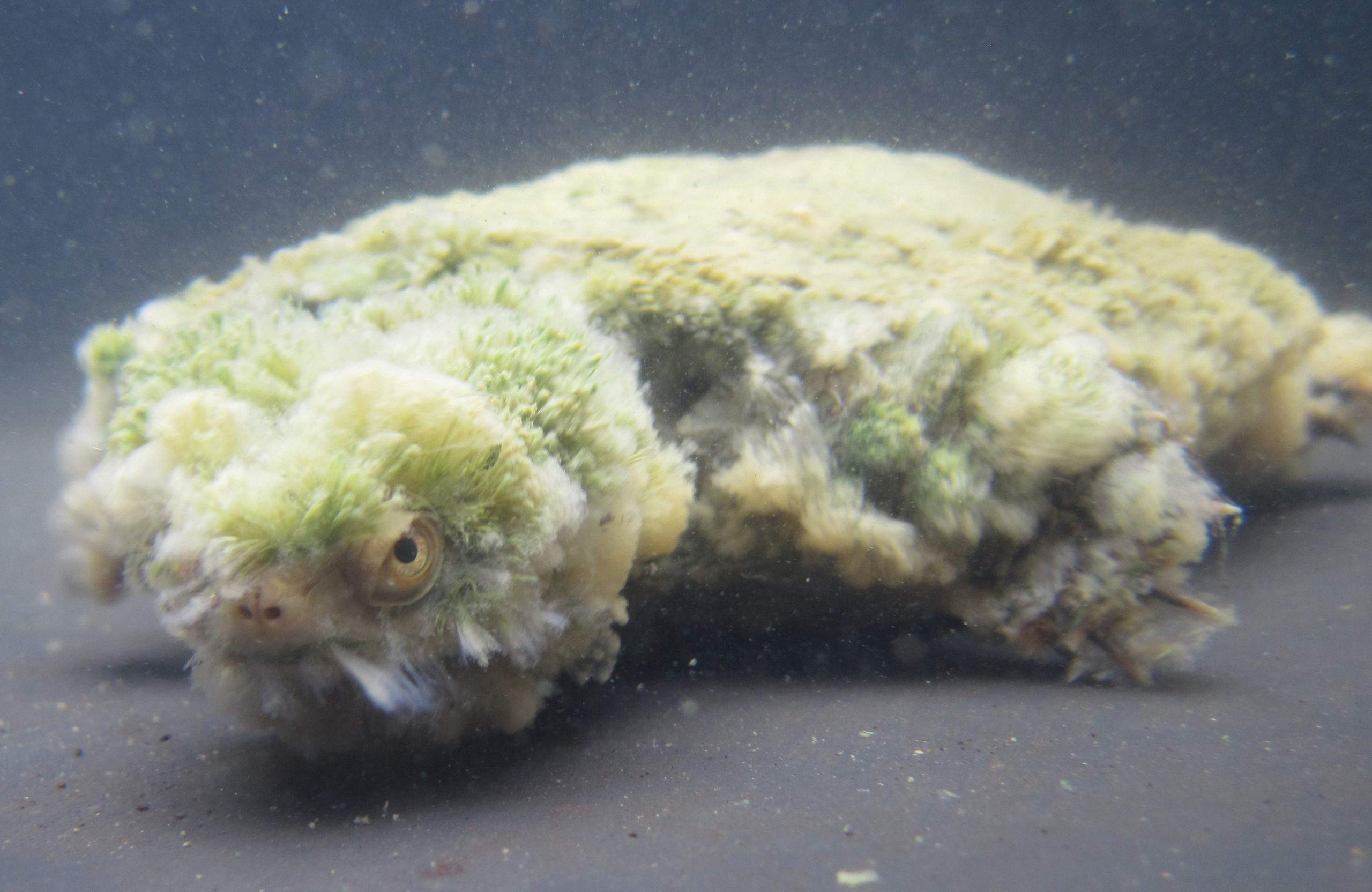
In 2020 when EDGE Fellow Ayushi Jain started her work on the Cantor’s Giant softshell turtle (Pelochelys cantorii) her aim was to establish a baseline of information on the species, however through her Fellowship she was able to achieve much more.
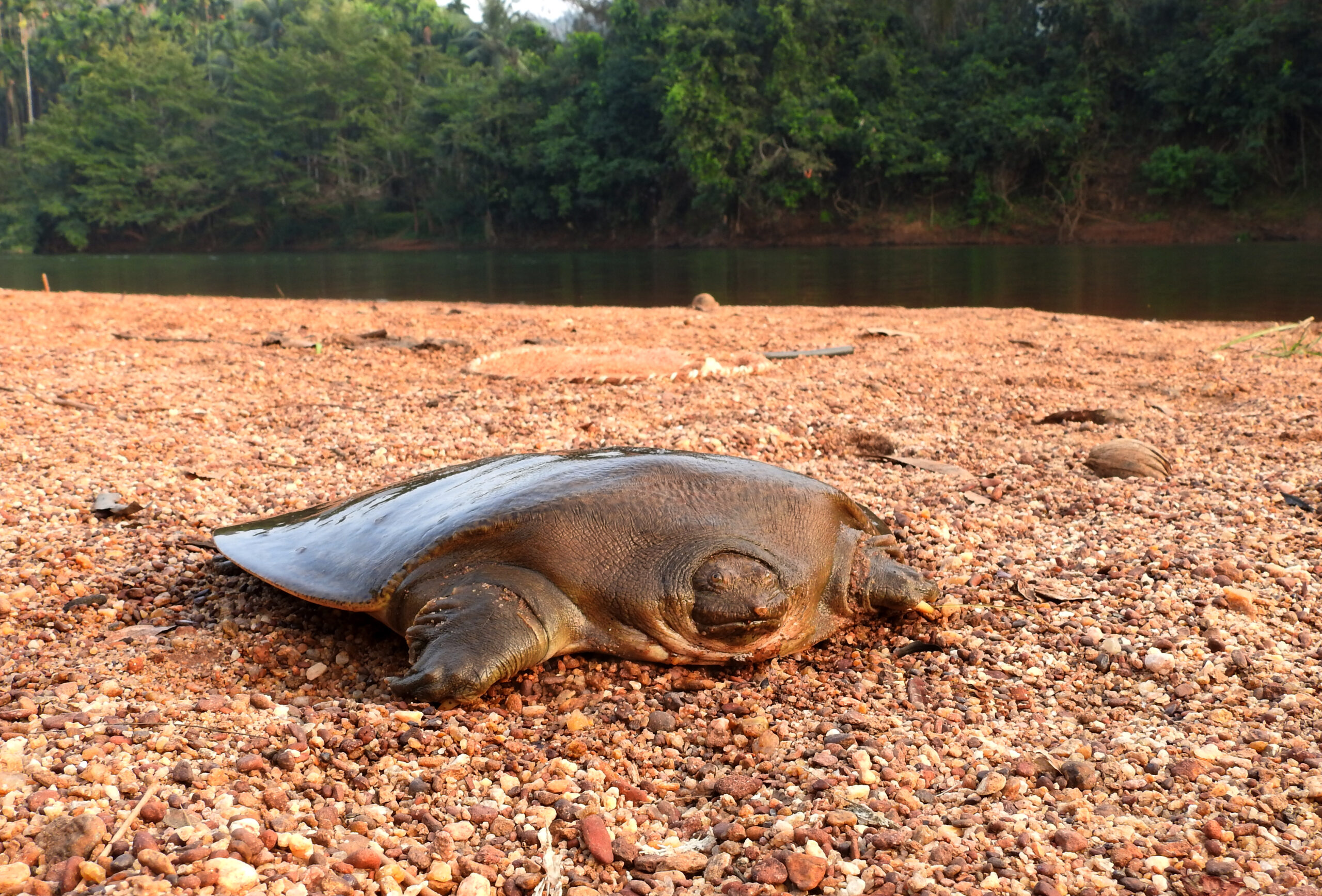
Ayushi not only reported the highest number of individual records of the species from a single river in India, but also the highest number of sightings ever recorded in the wild! Along with her team she also discovered the first-known breeding population of the Cantor’s Giant softshell turtle, through a by-catch report of a juvenile specimen, as well as the first known nesting event of the species with nests found in two consecutive years (2020-2021).
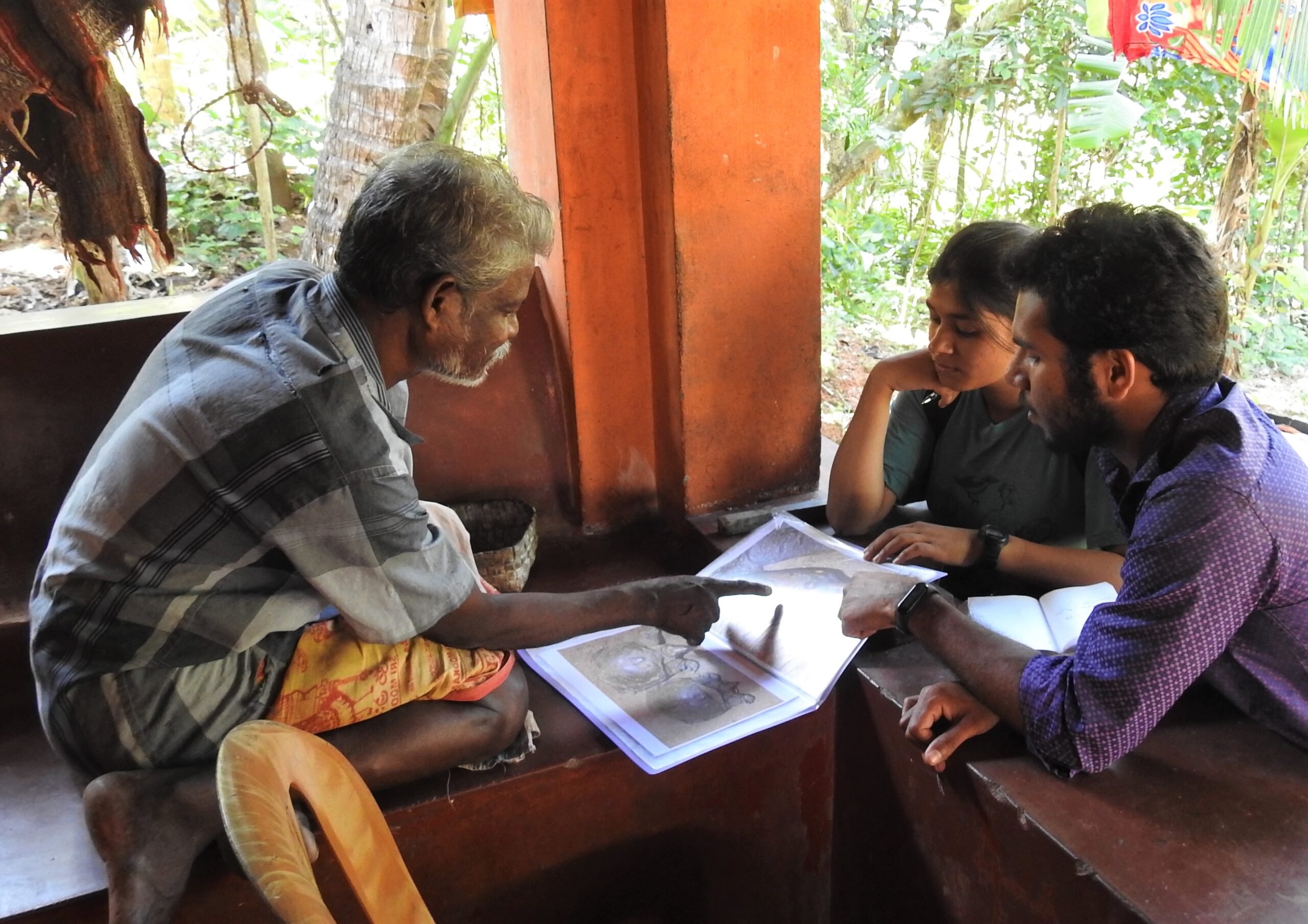
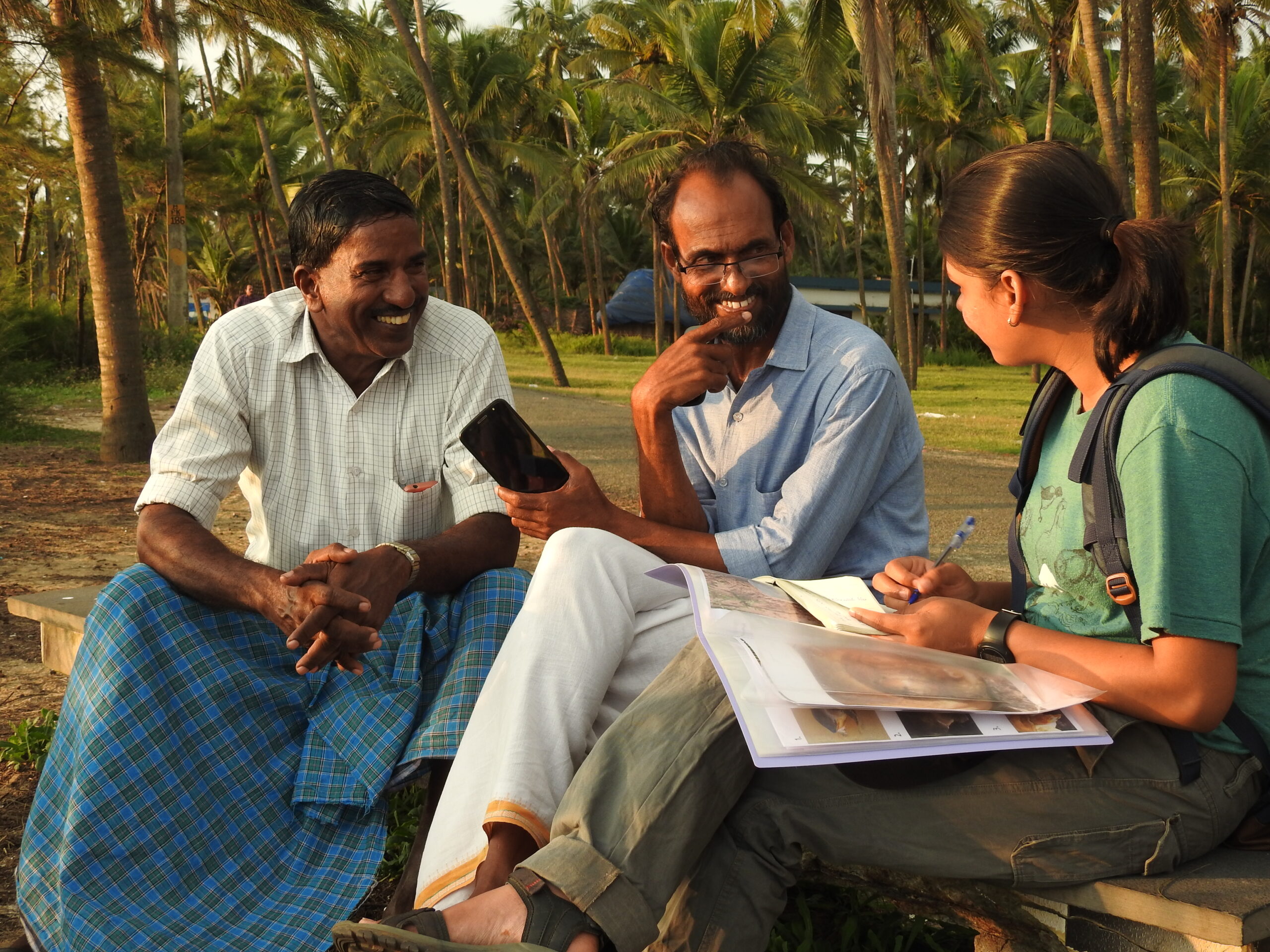
Through all these achievements Ayushi and her team have worked with the local community on awareness raising, even setting up a network that focuses on preserving the known nests of the species. They have collaborated with the forest department, and existing Van Sanrakshan Samithi (village forest committee), to undertake the rescue and rehabilitation of accidentally caught turtles. The district collector has also passed a proposal for regular monitoring of sand mining activities, and regulations of dams to prevent further degradation of the species’ habitat.
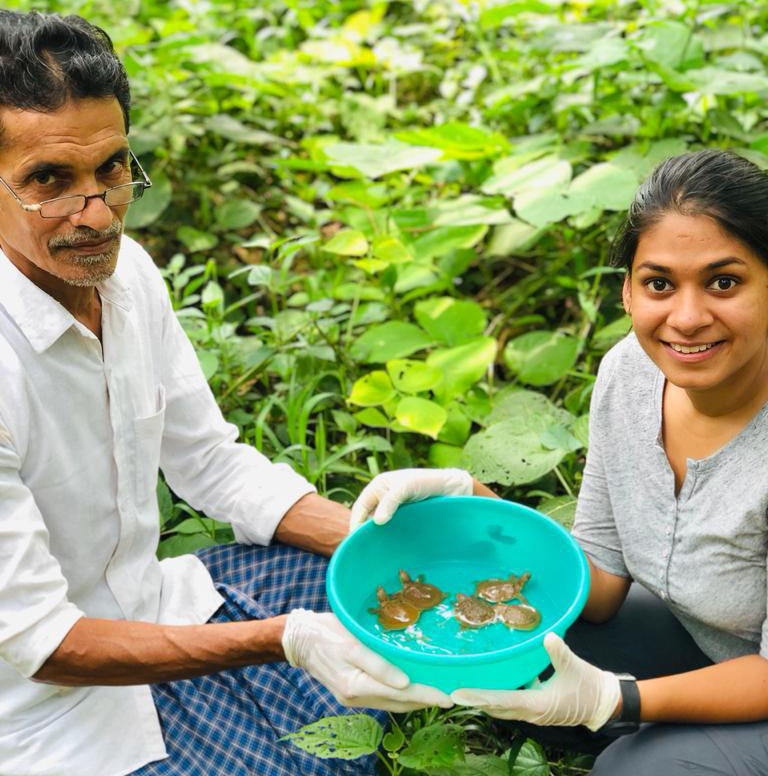
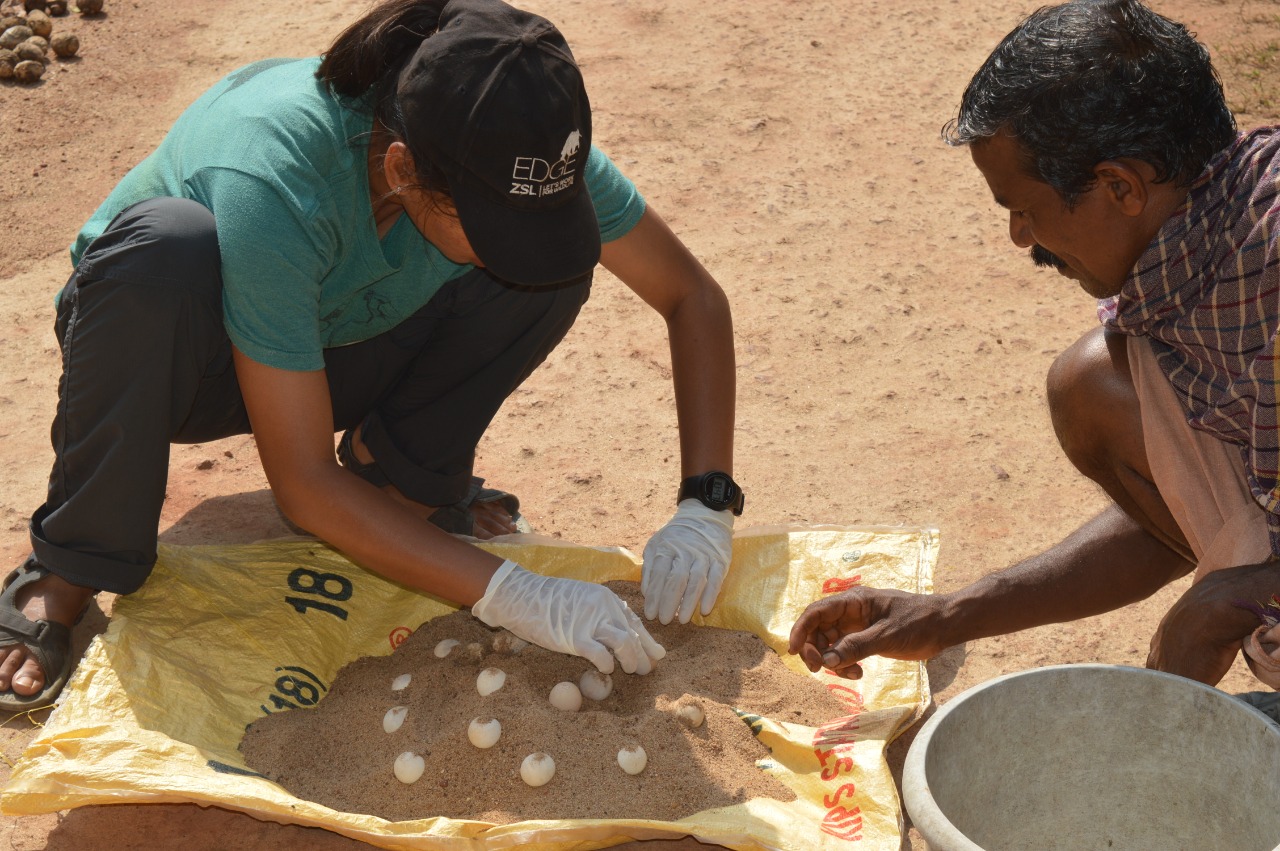 Ayushi and her team have also had success in artificial incubation efforts, in which a vulnerable nest is opened, and carefully relocated to a secure spot. This resulted in successful hatching of six eggs which were released back in the wild after one week of monitoring, which showed the new-borns starting to feed on tiny fish and worms. The hatchlings were released back on to the same bank where the original nest had been discovered, and within seconds they had disappeared into the river helping to ensure the survival of this weird and wonderful creature.
In 2020, EDGE Fellow Issah Seidu joined the EDGE Fellowship with the aim of identifying and mitigating threats to EDGE sharks and rays in the Western region of Ghana. The project has gone on to fill a knowledge gap on EDGE sharks and rays, and especially the most at risk, guitarfishes.
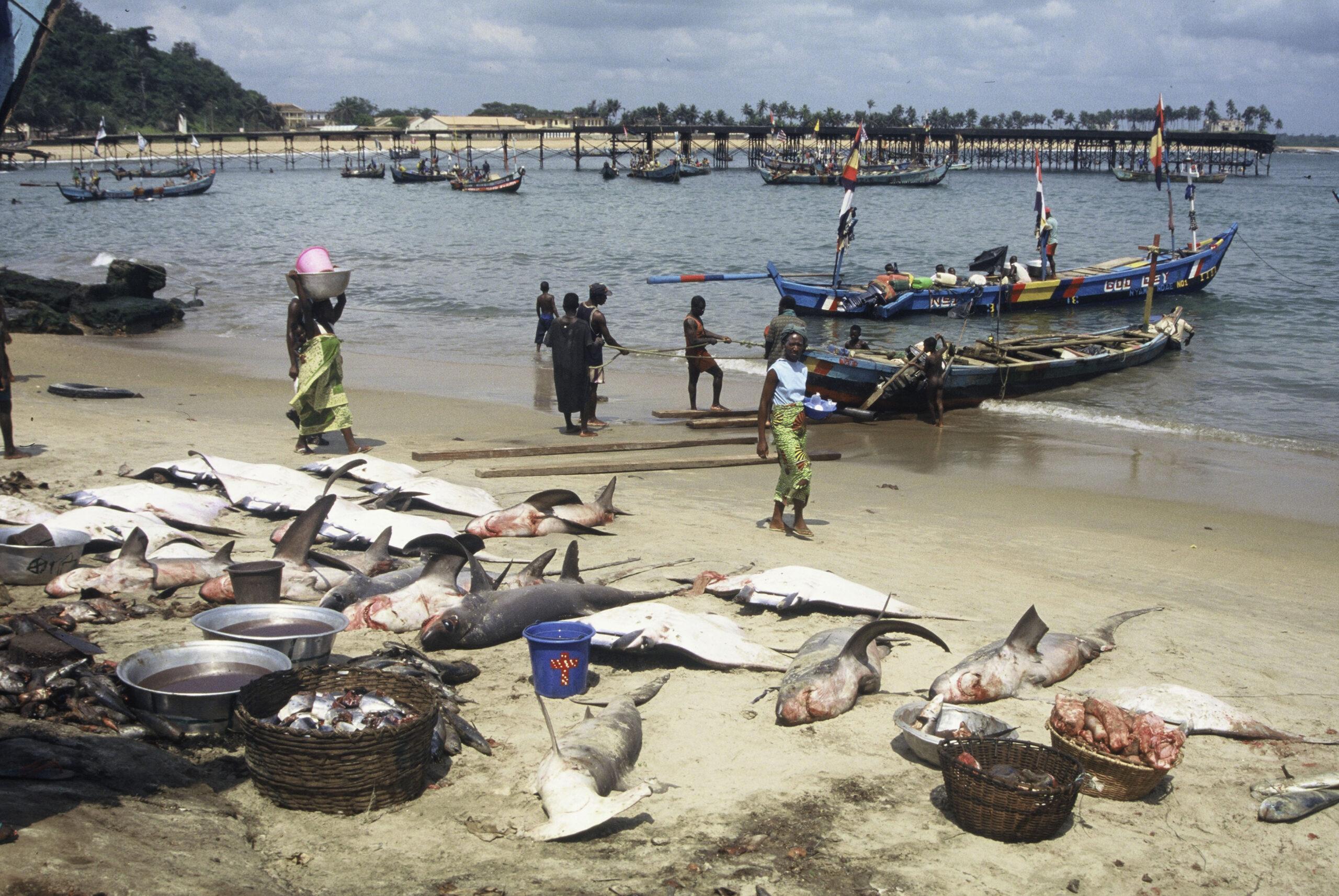
The information Issah and his team were able to gain has provided a precursor for future monitoring of these species, and the need to devise management strategies to safeguard them from the brink of extinction.
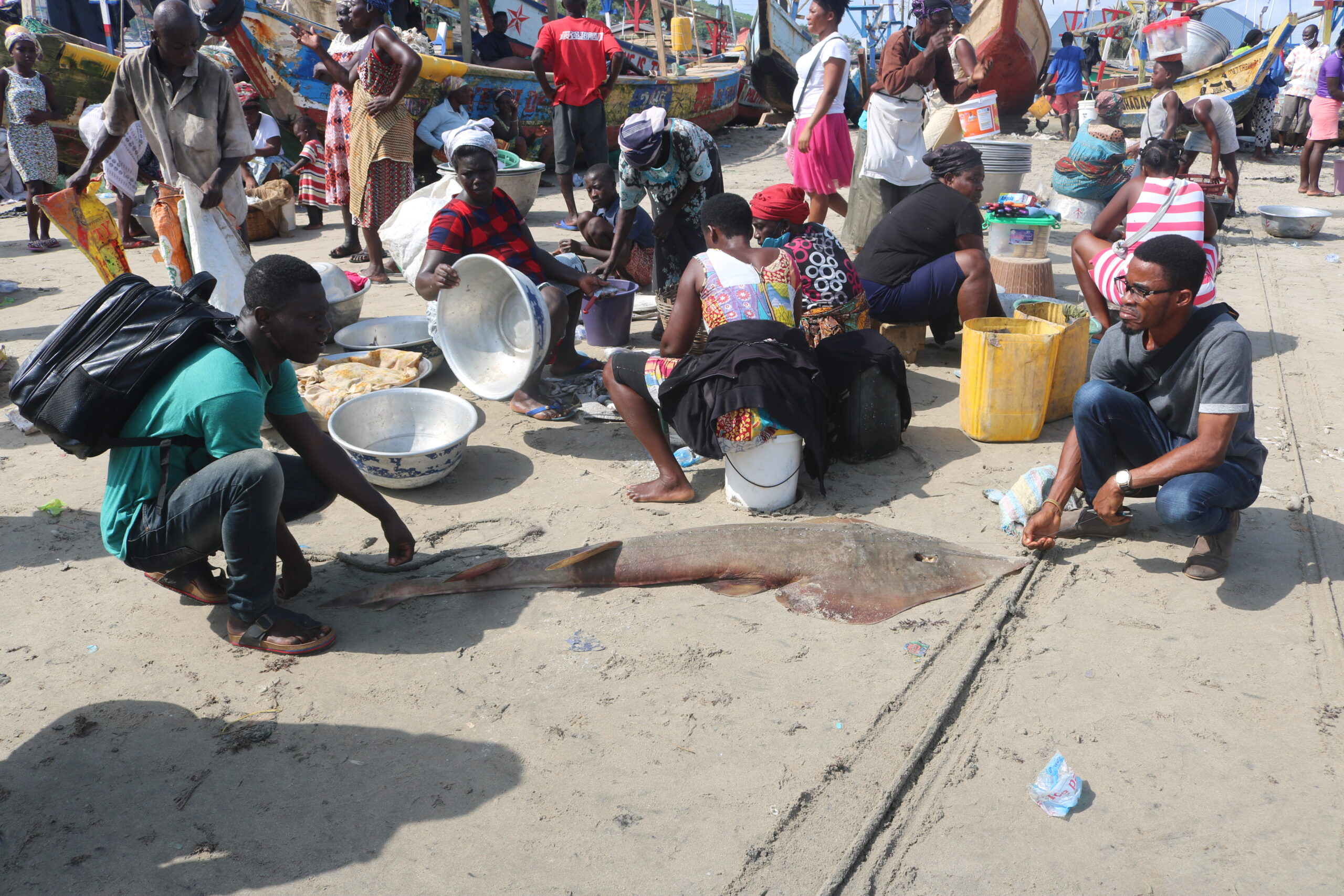
In addition, this baseline information has been used to propose the listing of three species of guitarfish (spineback guitarfish, white spotted guitarfish and common guitarfish) on the Convention on International Trade in Endangered Species of Wild Fauna and Flora (CITES).
Issah and his team’s research has also highlighted, for the first time, the severity of trade (buying and selling shark and ray products – fins and meat) in Ghana. Of the 34 different species sold at landing sites studied, 70% were globally threatened species and faced extreme risk of extinction. The study sheds light on Ghana’s artisanal elasmobranch fisheries and highlights the urgent need for conservation action globally.
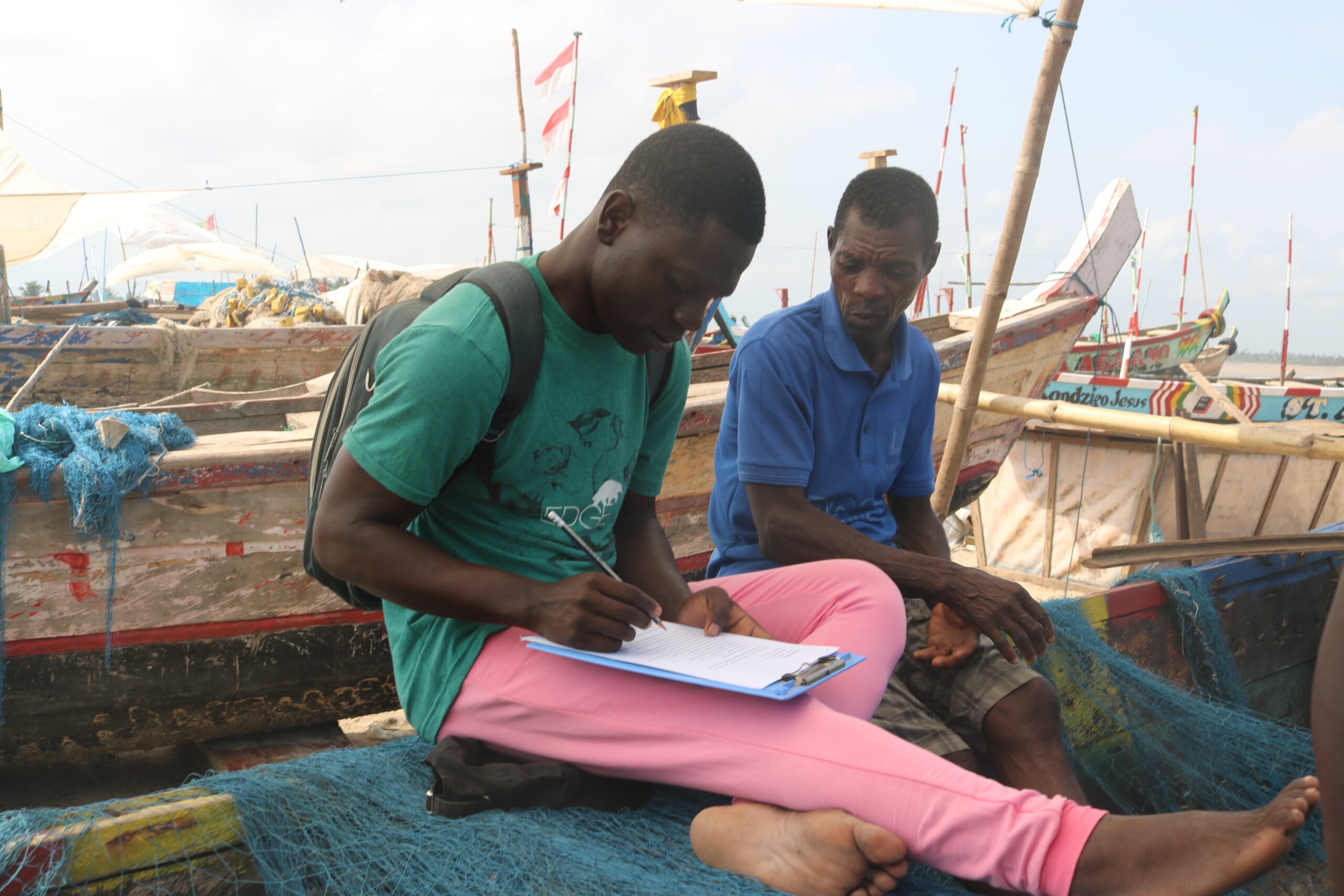 To help change this the team has fostered close relationships with the fishing communities in an effort to instil positive changes in their behaviour towards the species, and the conservation of marine habitat. They have created awareness about best fishing practices that safeguard sharks and rays, plus trained grassroots fishers in shark research and conservation to collect long-term citizen science fisheries data on sharks. The work the team has done with the local fishers will help to ensure that long-term research capacity is built to aid shark and ray conservation in Ghana in the future.

Last but not least, in 2020, EDGE mapped the evolutionary history of the world’s terrestrial vertebrates including amphibians, birds, mammals and reptiles. EDGE scientists and collaborators highlighted global hotspots of highly unique evolutionary history that is found nowhere else on Earth! They also explored how areas with large concentrations of evolutionarily distinct and threatened species are being impacted by our ever-increasing human footprint.
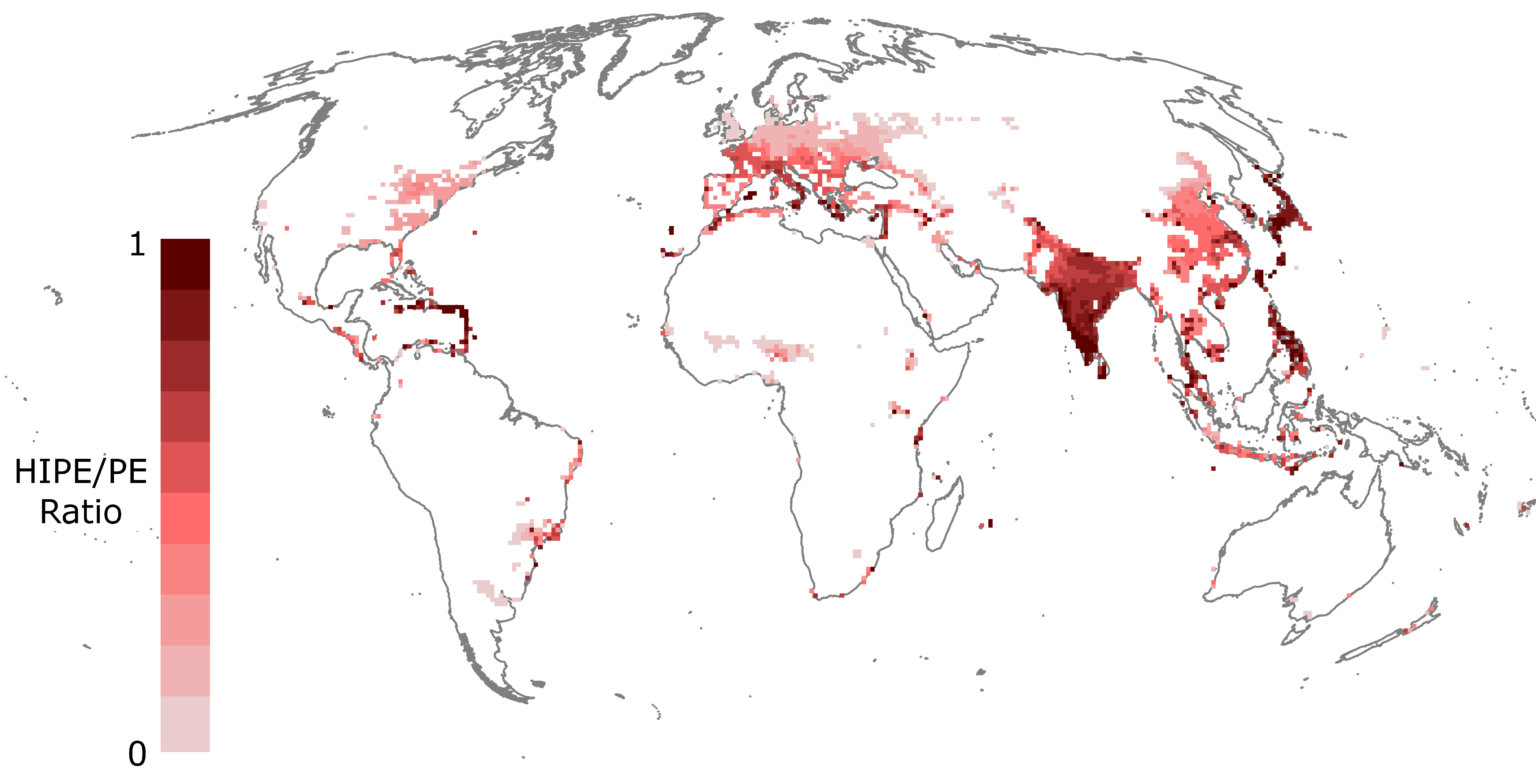
The study found that three quarters of the most important areas for irreplaceable evolutionary history are facing intense pressure from human activities. This means that close to 50 billion years of unique evolutionary history is under threat across the world’s terrestrial vertebrates.
Amphibians and reptiles, in particular, are at acute risk due to their small ranges being in highly impacted areas. Reptiles alone stand to lose at least 13 billion years of unique evolutionary history, roughly the same number of years that have passed since the beginning of the entire universe.
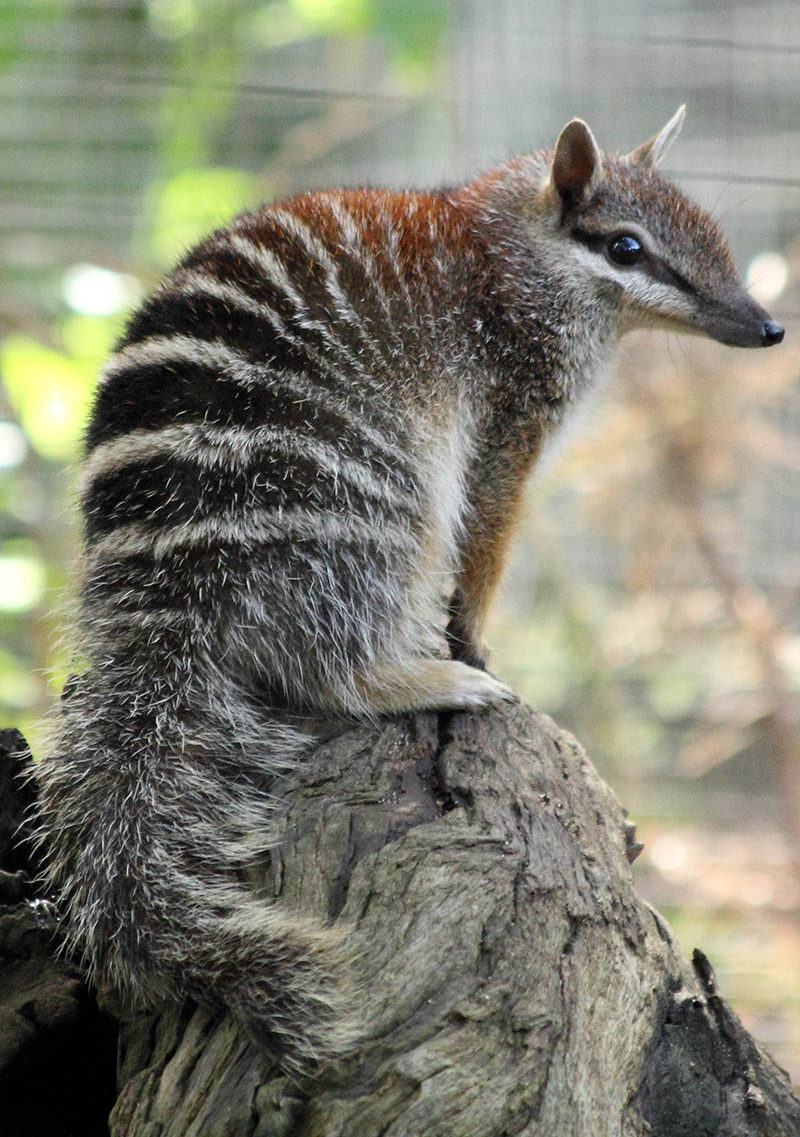
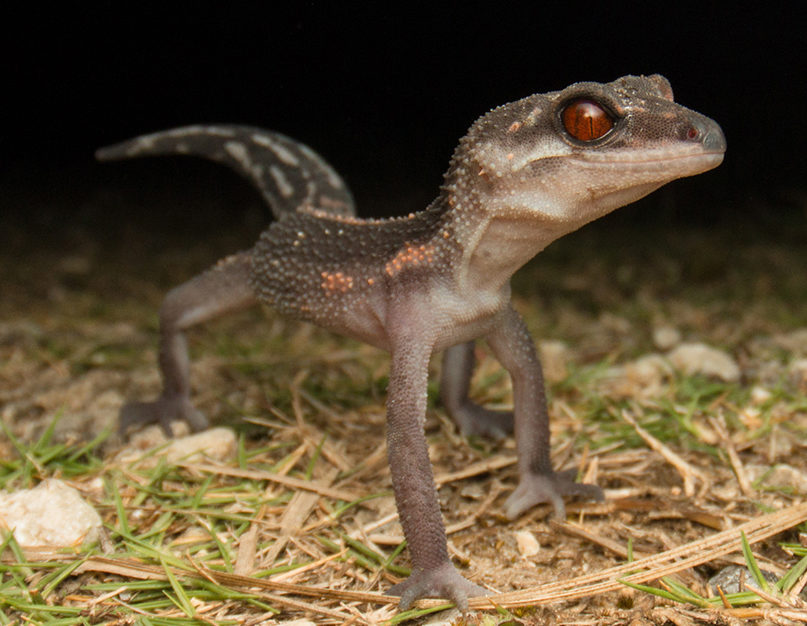
The mapping has highlighted the plight of many EDGE species such as the:
- Critically Endangered western swamp turtle (Pseudemydura umbrina)
Main threats – land clearing for housing and agriculture and the use of pesticides and fertilisers. - Endangered Tokashiki gecko (Goniurosaurus kuroiwae)
Main threats – deforestation for agriculture and predation by introduced carnivores such as the mongoose and feral cats. - Endangered numbat (Myrmecobius fasciatus)
Main threats – habitat loss and fragmentation from land clearing and predation by introduced predators such foxes and cats.
These are some of the most incredible and overlooked animals on the planet, and this research highlights the importance of acting urgently to conserve these extraordinary species and the remaining habitat that they call home.
We hope you have enjoyed our blog series and celebrating fifteen success stories from the last incredible fifteen years of the EDGE program. These successes are only a few of the many amazing achievements the EDGE Fellows and program have accomplished, so follow us on our social media accounts (Twitter – @EDGEofExistence, Facebook – @ZSL EDGE of Existence, Instagram – @zsledgeofexistence) and keep your eyes open for more of our blogs, to continue celebrating and taking more footsteps forward in conservation with us.
If you want to get involve and support the vital work done by the EDGE program and our incredible Fellows, please click here.
Written by Carly D’Costa