About
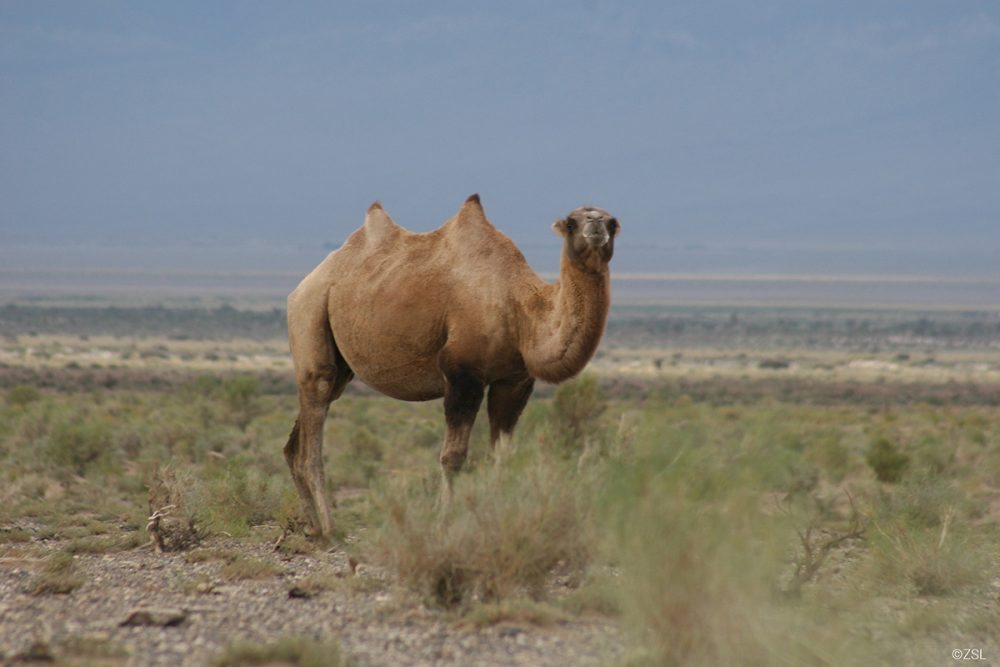
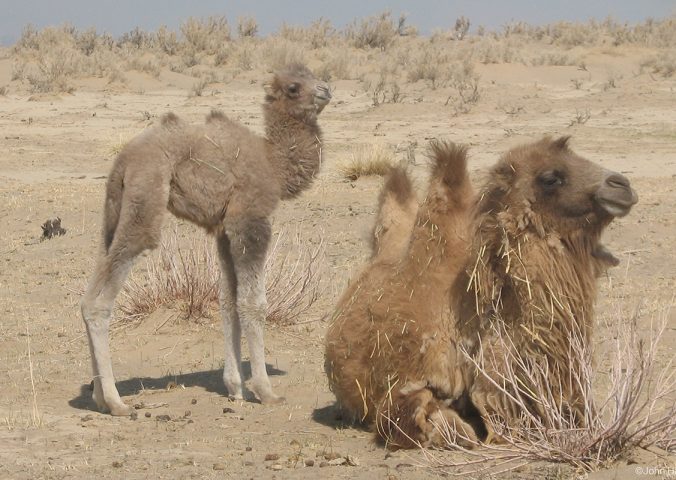
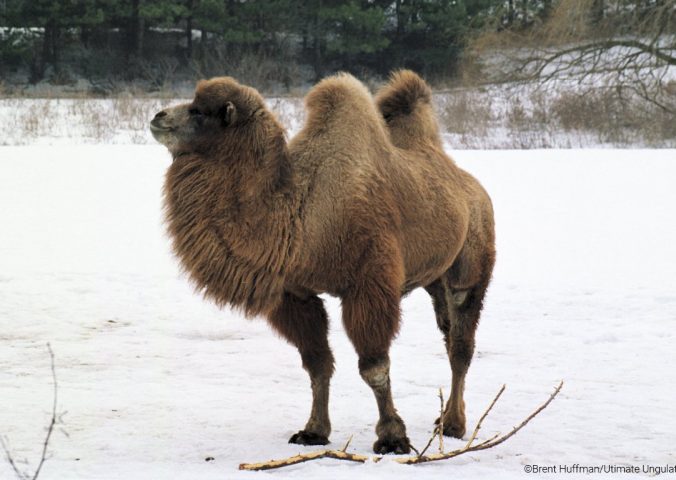
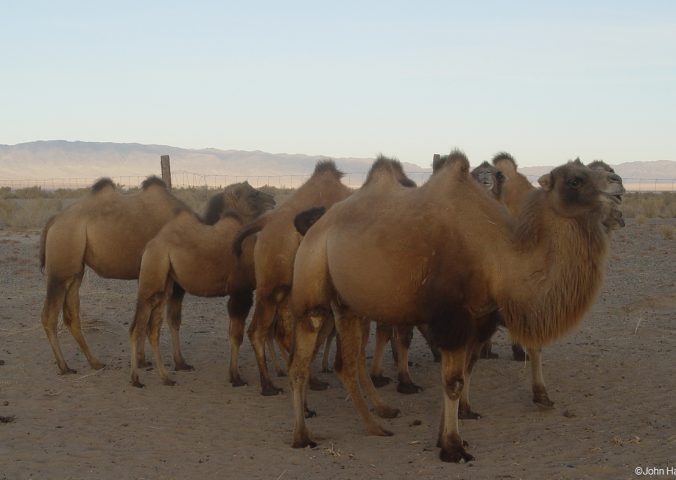
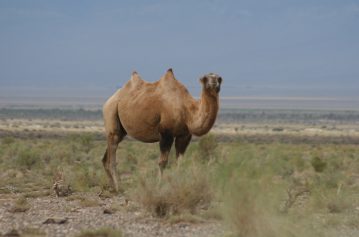
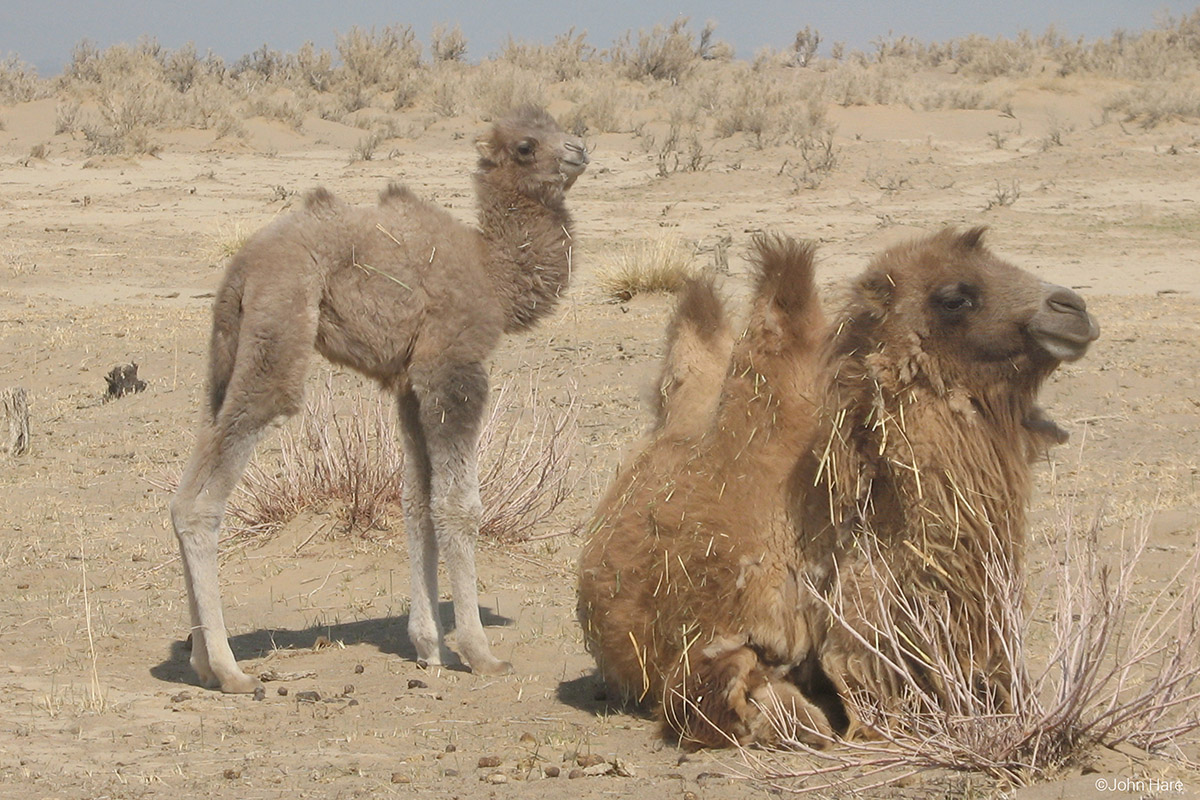
The Wild Camel, known locally as Khavtgai, can withstand drought, food shortages, and even radiation from nuclear weapons testing.
This species is superbly adapted to life in the harsh Gobi Desert, one of the most hostile and fragile regions on the planet. They are the only land mammals capable of drinking brackish or salty water with no ill effects! The fat stores in their humps enable the camels to go for several days at a time without eating or drinking. Upon finding water they will drink vast quantities rapidly to replace what is missing from their bodies.
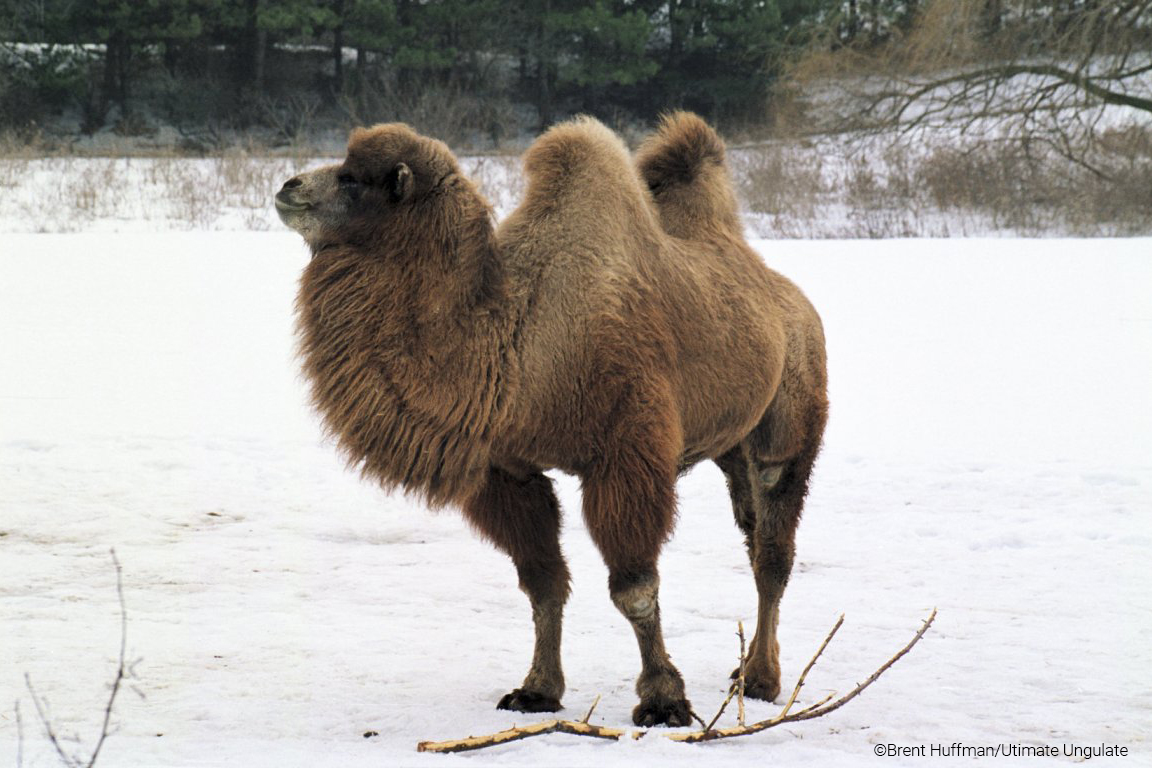
The family they belong to, evolved in North America over 46 million years ago – with camels migrating and spreading through Asia, and going extinct in their ancestral ranges in the Americas. he camel differs from other hoofed mammals in that the body load rests not on the hooves, but on the sole pads, and only the front end of the hooves actually touches the ground.
Fewer than 1,000 individuals survive today, in only four locations. These animals continue to be threatened by hunting, habitat loss, and competition for resources with introduced livestock.
- Order: Cetartiodactyla
- Family: Camelidae
- Population: 950
- Trend: decreasing
- Size: 2.25-3.45 m
- Weight: 300-690kg
Distribution
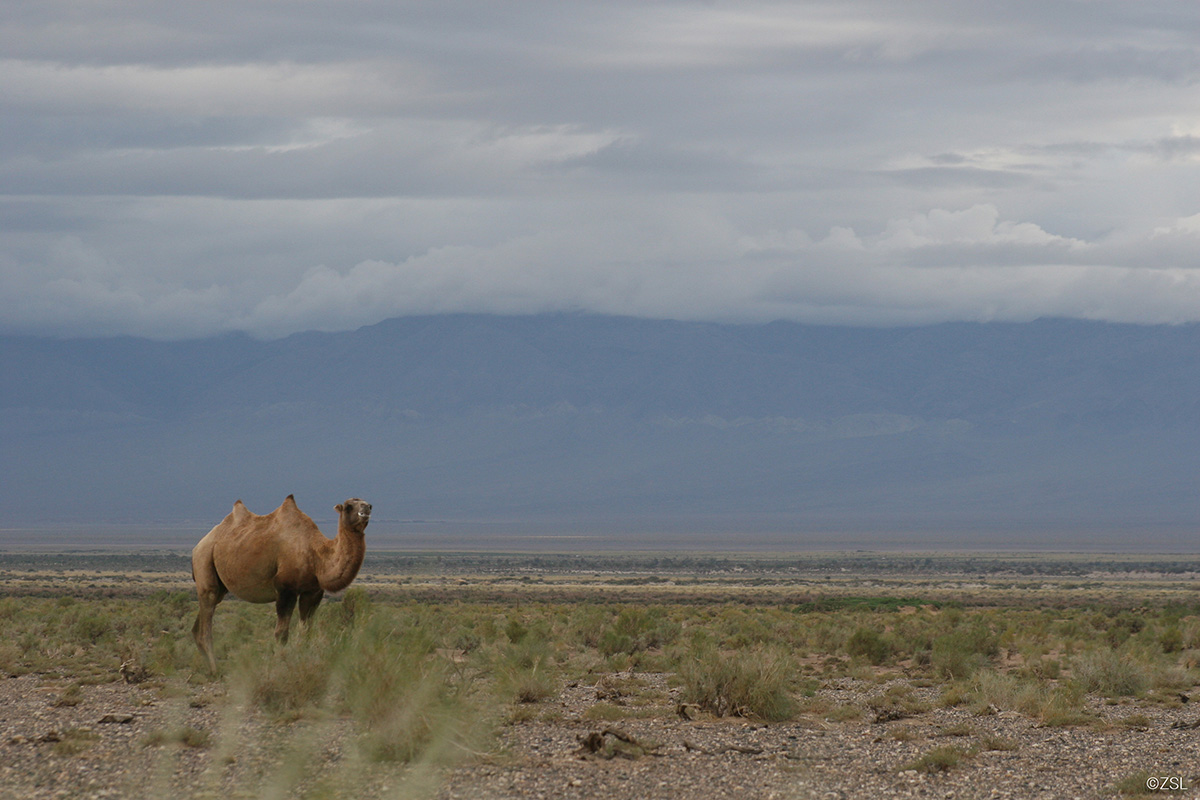
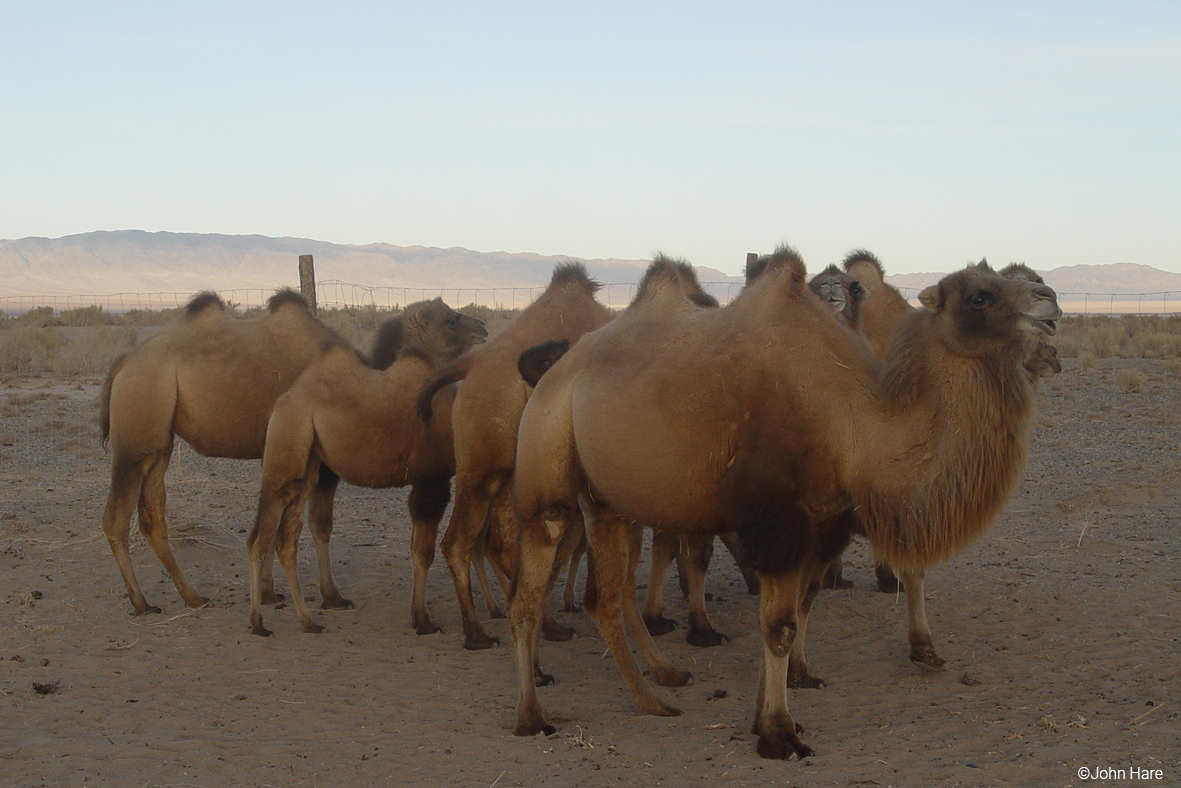
Wild camel occur only in three separated habitats in northwest China (Lake Lob, Taklimikan desert and the ranges of Arjin Shan) and one in the Trans-Altai Gobi desert of southwest Mongolia.
Habitat and Ecology
Wild camels are migratory, with habitats that range from rocky mountain massifs, to flat arid desert, stony plans and sand dunes.